Delving into 3ds max interior design, this introduction immerses readers in a unique and compelling narrative, with a casual formal language style that is both engaging and thought-provoking from the very first sentence.
As we navigate through the realm of 3ds Max interior design, we uncover the intricate process of creating stunning visualizations that bring interior spaces to life.
Introduction to 3ds Max Interior Design
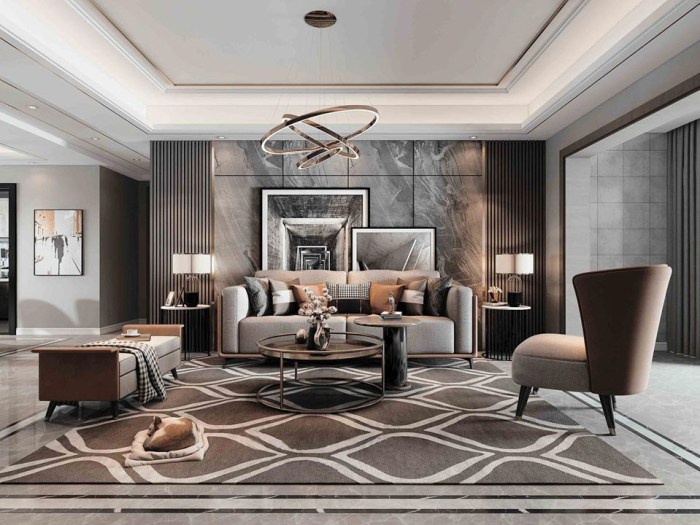
3ds Max plays a crucial role in the field of interior design by providing designers with a powerful tool to create realistic visualizations of their ideas. This software allows professionals to bring their concepts to life and present them in a compelling and realistic manner.
Creating Realistic Interior Design Visualizations
Designers use 3ds Max to model and render interior spaces, including furniture, lighting, and textures, with a high level of detail and accuracy. By utilizing advanced features such as lighting effects, material editors, and camera settings, designers can achieve photorealistic results that closely resemble the final look of the actual space.
Importance of 3ds Max in the Interior Design Industry
3ds Max has revolutionized the way interior designers communicate their ideas to clients, stakeholders, and collaborators. By presenting realistic visualizations, designers can effectively convey the design intent, explore different options, and make informed decisions throughout the design process. This results in improved communication, better understanding of the design concept, and ultimately, more successful interior design projects.
Creating Interior Spaces with 3ds Max
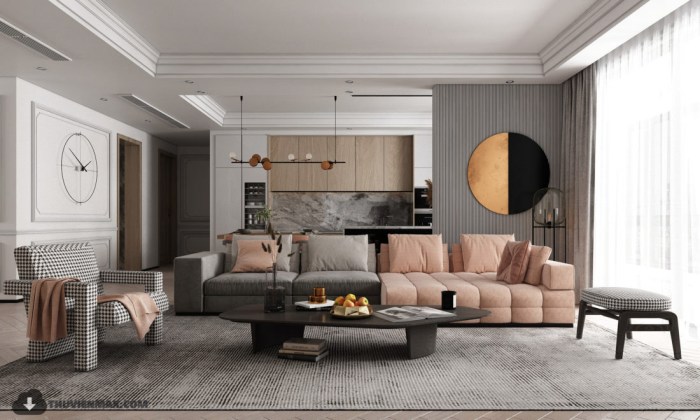
When it comes to modeling interior spaces using 3ds Max, the process involves carefully planning the layout, creating 3D models of furniture and decor elements, and applying textures and lighting for a realistic look.
Modeling Furniture and Decor Elements
In 3ds Max, there are various tools and techniques available for creating furniture and decor elements. The software offers a wide range of modeling options, including box modeling, spline modeling, and polygon modeling. Artists can use these tools to sculpt intricate details and shapes to bring their designs to life.
Lighting and Textures for Interior Design
Lighting and textures play a crucial role in enhancing interior design projects in 3ds Max. Proper lighting can set the mood of the space, highlight key features, and create a sense of realism. Artists can experiment with different types of lighting, such as ambient, spot, and area lights, to achieve the desired effect.
Textures are used to add depth and detail to surfaces, making them look more realistic. Artists can apply textures to walls, floors, furniture, and other elements to create a cohesive and visually appealing design. By adjusting the material properties and mapping, artists can achieve a variety of looks, from sleek and modern to rustic and traditional.
Rendering and Visualization in 3ds Max
Rendering in 3ds Max plays a crucial role in bringing interior design projects to life by creating realistic visualizations of spaces.
Rendering Capabilities of 3ds Max
- 3ds Max offers a wide range of rendering options, including mental ray, V-Ray, Corona Renderer, and Arnold, each with unique features and capabilities.
- Users can adjust lighting, materials, textures, and camera settings to achieve the desired look and feel of the interior space.
- Advanced features like Global Illumination, Ambient Occlusion, and Ray Tracing help to enhance the realism of the rendered images.
Comparison of Rendering Engines
- Mental Ray:Known for its speed and efficiency, suitable for quick previews and basic renderings.
- V-Ray:Popular for its photorealistic results and advanced lighting control, making it ideal for high-end interior visualization.
- Corona Renderer:User-friendly with a focus on ease of use and realistic lighting effects, great for achieving natural-looking renders.
- Arnold:Offers high-quality rendering with a focus on accuracy and physically-based lighting, perfect for achieving precise interior design visualizations.
Importance of Post-Processing Techniques
Post-processing techniques are essential for refining and enhancing interior design renders to achieve a polished and realistic look.
- Adjusting contrast, brightness, and color balance can help to improve the overall visual impact of the render.
- Adding depth of field, lens effects, and atmospheric elements can create a sense of realism and immersion in the rendered image.
- Utilizing image editing software like Adobe Photoshop can further enhance the final render by fine-tuning details and adding artistic effects.
Integrating 3ds Max with Other Design Software
When it comes to interior design projects, integrating 3ds Max with other design software can enhance workflows and efficiency. By combining the strengths of different tools, designers can achieve more complex and detailed designs.
Transferring Models Between 3ds Max and Other Design Tools
- One common workflow involves importing architectural drawings from software like AutoCAD into 3ds Max to create detailed 3D models of interior spaces.
- After designing the interior space in 3ds Max, the models can be exported to software like Photoshop for post-processing and adding textures and materials.
- Collaboration with other team members using software like Revit or SketchUp is also possible by transferring models between different tools for a seamless workflow.
Benefits of Using a Combination of Software Tools
-
Increased Efficiency:
Each software has its strengths, and by utilizing a combination of tools, designers can work more efficiently and effectively, saving time and resources.
-
Specialized Features:
Different software offer unique features that can be leveraged to create more complex designs and achieve specific design goals.
-
Enhanced Visualization:
By integrating 3ds Max with rendering software like V-Ray, designers can create realistic visualizations that help clients better understand the final design.
-
Streamlined Collaboration:
Transferring models between software allows for better collaboration among team members, ensuring everyone is working with the most up-to-date design information.
Final Wrap-Up
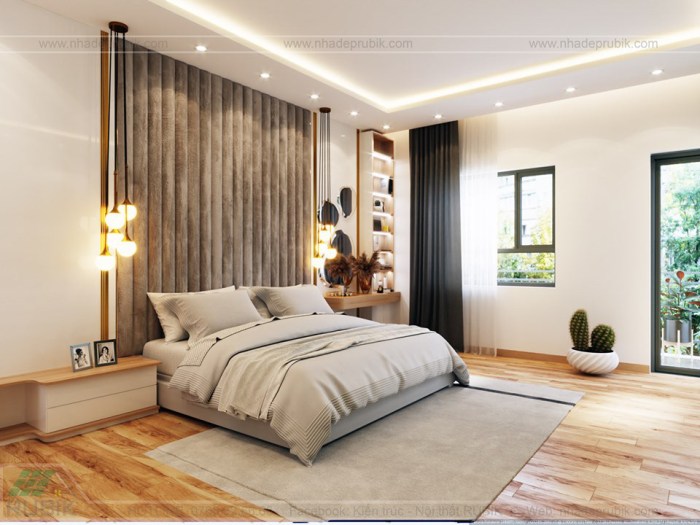
In conclusion, 3ds Max stands as a powerful tool in the world of interior design, revolutionizing the way spaces are conceptualized and brought to reality. With its array of features and capabilities, it continues to shape the industry and inspire creativity among designers worldwide.
Frequently Asked Questions
How does 3ds Max contribute to the field of interior design?
3ds Max plays a crucial role in interior design by allowing designers to create realistic visualizations of spaces before they are constructed, aiding in the design process.
What are some key techniques for modeling interior spaces in 3ds Max?
Modeling interior spaces in 3ds Max involves using tools like extrusions, lofting, and boolean operations to create walls, floors, and other elements that make up a room.
How important is lighting in enhancing interior design projects in 3ds Max?
Lighting is essential in creating mood, highlighting features, and adding realism to interior design projects in 3ds Max, making spaces come alive.
Can 3ds Max be integrated with other design software?
Yes, 3ds Max can be integrated with software like AutoCAD, Revit, and SketchUp to streamline workflows and enhance the overall design process.
What is the significance of post-processing techniques in creating realistic interior design renders in 3ds Max?
Post-processing techniques such as color correction, depth of field adjustments, and adding textures play a crucial role in refining and enhancing the final visual output of interior design renders in 3ds Max.