Embark on a journey through the world of architecture companies, where creativity meets functionality and innovation knows no bounds. Explore the intricate process of design, the art of project management, and the cutting-edge technologies shaping the industry.
Delve into the realm of architecture companies as we uncover the essence of their existence and the impact they have on the built environment around us.
Introduction to Architecture Company
An architecture company plays a crucial role in the construction industry by providing design and planning services for various structures, ranging from residential homes to commercial buildings. These companies work closely with clients to create functional, aesthetically pleasing, and sustainable architectural designs that meet the needs and preferences of the end-users.
Services Offered by Architecture Companies
Architecture companies typically offer a wide range of services, including architectural design, interior design, project management, feasibility studies, site analysis, and construction administration. They collaborate with engineers, contractors, and other professionals to ensure that the project is completed successfully and meets all regulatory requirements.
- Architectural Design: Developing conceptual and detailed architectural drawings and plans for construction.
- Interior Design: Creating interior layouts, finishes, and furnishings to enhance the functionality and aesthetics of a space.
- Project Management: Overseeing the entire construction process, from planning to completion, to ensure quality and timely delivery.
- Feasibility Studies: Assessing the viability and potential risks of a project before moving forward with the design phase.
- Site Analysis: Evaluating the site conditions, constraints, and opportunities to inform the design process.
- Construction Administration: Providing on-site supervision and coordination to ensure the design is implemented correctly.
Examples of Well-Known Architecture Companies and Notable Projects
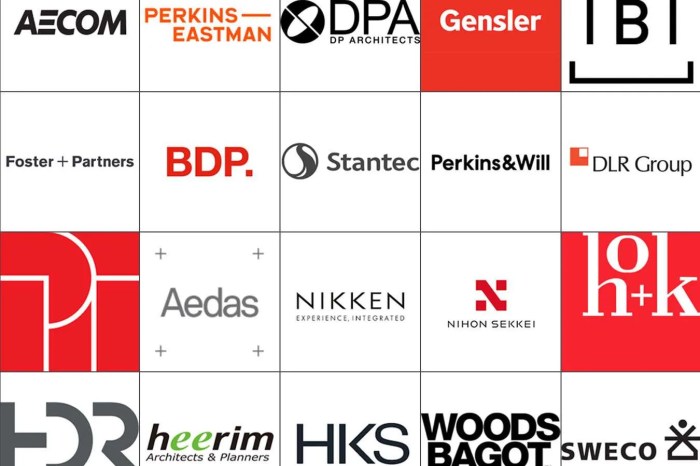
Some well-known architecture companies include Foster + Partners, Zaha Hadid Architects, and Gensler. These firms have been responsible for iconic projects such as the Gherkin in London (Foster + Partners), the Guangzhou Opera House in China (Zaha Hadid Architects), and the Shanghai Tower in China (Gensler).
These projects showcase the innovative and groundbreaking designs that architecture companies can deliver to the built environment.
Design Process
In the architecture industry, the design process is a crucial stage that involves transforming ideas and concepts into tangible structures. It typically follows a series of steps from the initial concept to the final completion of a project.
Collaboration between Clients and Architects
Effective collaboration between clients and architects is essential in the design process. Clients provide valuable insights, preferences, and requirements that help architects create designs that meet their needs and expectations. Regular communication and feedback ensure that the final design reflects the vision of both parties.
Incorporating Sustainability and Green Design
Architecture companies are increasingly incorporating sustainability and green design principles into their projects. This involves using eco-friendly materials, energy-efficient systems, and environmentally conscious practices to minimize the environmental impact of buildings. By integrating sustainable elements into their designs, architects can create more efficient and environmentally friendly structures for the future.
Project Management
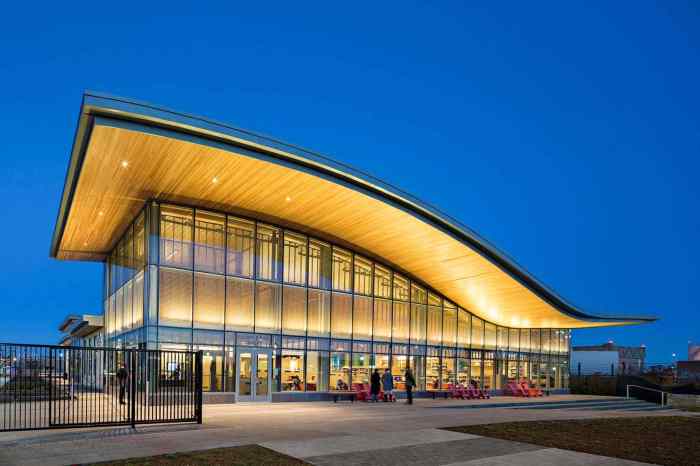
Project management in architecture firms involves overseeing various aspects of a project to ensure its successful completion within budget, schedule, and quality standards. Project managers play a crucial role in coordinating all project activities and resources to meet the client's requirements and expectations.
Budgeting
Effective budgeting is essential in architecture projects to allocate resources efficiently and prevent cost overruns. Project managers work closely with the finance team to develop and monitor project budgets, track expenses, and identify potential cost-saving opportunities.
Scheduling
Scheduling is a critical aspect of project management to ensure timely delivery of the project
Quality Control
Maintaining high-quality standards is paramount in architecture projects to deliver a successful end product. Project managers implement quality control processes, conduct regular inspections, and address any issues or deficiencies to ensure the project meets the desired quality standards.
Project Management Tools and Software
Architecture firms commonly use project management tools and software to streamline project workflows and improve communication among team members. Some popular project management tools include Autodesk BIM 360, Procore, and Asana, which help in task management, collaboration, and document sharing throughout the project lifecycle.
Technology and Innovation
In today's rapidly evolving world, technology plays a crucial role in shaping the way architecture companies operate and design their projects. Let's explore how architecture firms leverage cutting-edge technology to enhance their design processes and stay ahead of the curve.
Building Information Modeling (BIM)
Building Information Modeling (BIM) has revolutionized the way architects plan, design, construct, and manage buildings. By creating a digital representation of the physical and functional characteristics of a building, architects can visualize the entire project in a 3D model, enabling better collaboration, coordination, and decision-making throughout the project lifecycle.
- Allows for more accurate visualization and analysis of design concepts.
- Enhances communication and coordination among project stakeholders.
- Facilitates clash detection and resolution, reducing errors and rework during construction.
Virtual Reality and Artificial Intelligence
Emerging technologies like virtual reality (VR) and artificial intelligence (AI) are transforming the way architects present their designs and interact with clients. VR enables clients to experience a virtual walkthrough of a building before it is even constructed, providing a more immersive and realistic understanding of the design.
AI, on the other hand, can analyze data to optimize building performance, energy efficiency, and sustainability.
- VR enhances client engagement and understanding of design concepts.
- AI streamlines the design process and improves building performance.
- Both technologies offer innovative solutions to complex design challenges.
Staying Up-to-Date with Industry Trends
To remain competitive in the ever-changing architectural landscape, firms must stay abreast of the latest trends and innovations in the industry. This involves continuous learning, attending conferences, workshops, and seminars, as well as investing in research and development to explore new technologies and methodologies that can enhance their design capabilities.
- Continuous education and training keep architects informed about industry advancements.
- Networking with peers and experts helps firms exchange ideas and stay inspired.
- Research and development initiatives foster innovation and creativity within the firm.
Summary
As we conclude our exploration of architecture companies, it becomes evident that they are more than just design firms - they are creators of spaces that inspire, provoke thought, and stand the test of time. Dive into this dynamic field and witness the magic of architecture unfold before your eyes.
Query Resolution
How do architecture companies differ from architectural firms?
Architecture companies typically offer a wider range of services beyond just design, including project management and construction oversight.
What sets apart a successful architecture company from others in the industry?
Successful architecture companies often have a strong focus on innovation, sustainability, and client collaboration throughout the design process.
How do architecture companies incorporate sustainable practices into their projects?
Architecture companies integrate green design principles, use eco-friendly materials, and optimize energy efficiency to ensure sustainability in their projects.