In today's competitive business landscape, every detail counts. Envelope design plays a crucial role in making a lasting impression and conveying your brand's identity. From colors to typography, each element contributes to the overall impact on your audience. Let's dive into the world of envelope design and explore how you can elevate your brand through this often underestimated medium.
Envelope design is more than just a practical necessity—it's a powerful tool for communication and brand representation. By understanding the nuances of effective envelope design, you can enhance your marketing efforts and create memorable experiences for your recipients.
Importance of Envelope Design
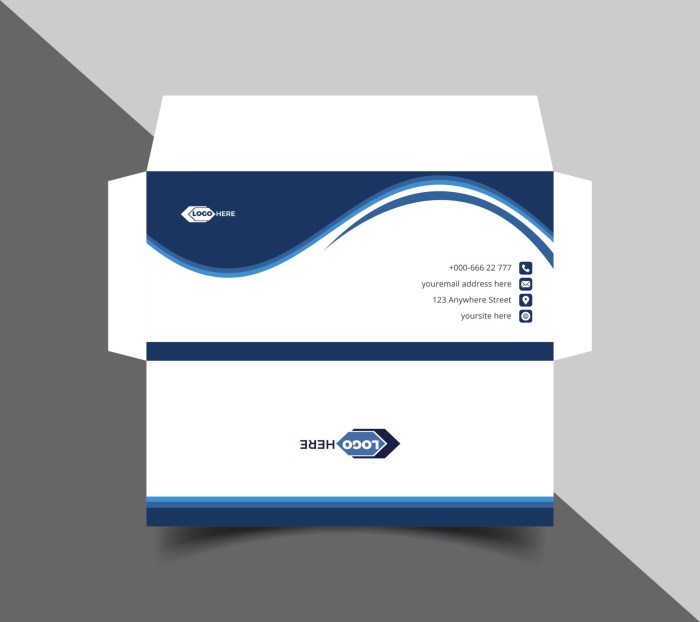
Envelopes play a crucial role in branding and marketing strategies, serving as the first point of contact between a company and its recipients. A well-designed envelope can capture attention, convey professionalism, and create a lasting impression.
Envelope design goes beyond just aesthetics; it can significantly impact the recipient's perception of the enclosed content. A carefully crafted envelope can build anticipation, generate curiosity, and enhance the overall experience of opening and engaging with the contents inside.
Successful Envelope Designs
- Netflix: Netflix's red envelopes became iconic as they symbolized the excitement of receiving a new movie or TV show to watch. The bold red color and sleek design made these envelopes instantly recognizable.
- Google: Google's envelope designs are often clean, simple, and reflective of their brand identity. The clever use of color and typography ensures that their envelopes stand out in a mailbox.
- Apple: Apple is known for its minimalist approach to design, and this extends to their envelope designs. The use of high-quality materials and subtle branding elements conveys a sense of luxury and sophistication.
Elements of Effective Envelope Design
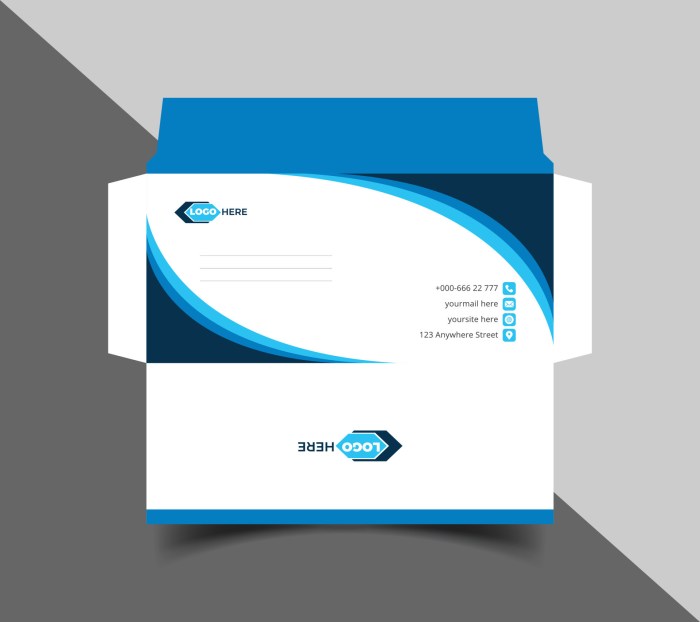
When designing an envelope, several key elements need to be carefully considered to ensure that it effectively captures attention and conveys the intended message. These elements include size, shape, color, typography, imagery, and branding.
Size and Shape
- Choose an appropriate size that fits the contents without being too large or too small.
- Consider unique shapes like square envelopes to stand out in a mailbox.
Color
- Use colors that align with your brand identity or evoke the desired emotions.
- Avoid using too many colors to maintain a clean and professional look.
Typography
- Select fonts that are easy to read and reflect the tone of the message.
- Experiment with font sizes and styles to create hierarchy and visual interest.
Imagery
- Incorporate relevant images or graphics that enhance the overall design and convey the message effectively.
- Avoid overcrowding the envelope with excessive imagery, keeping it balanced and visually appealing.
Branding
- Include your logo, brand colors, and other branding elements to maintain consistency across all marketing materials.
- Ensure that the envelope design reflects your brand personality and values.
Trends in Envelope Design
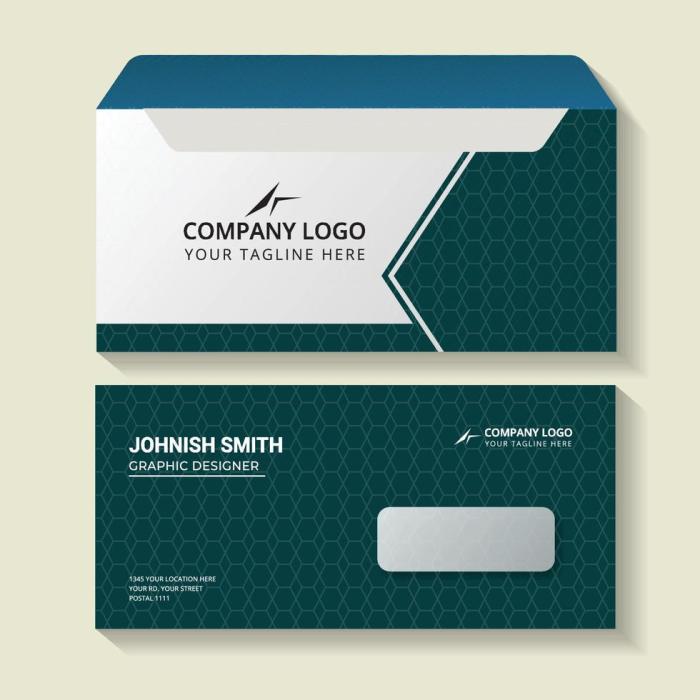
In the ever-evolving world of design, envelope design trends play a crucial role in capturing attention and making a lasting impression. Let's delve into some of the current trends shaping the envelope design industry.
Minimalist Designs
Minimalism continues to be a popular trend in envelope design, with clean lines, simple color palettes, and subtle typography taking center stage. Minimalist envelopes convey elegance and sophistication while ensuring the focus remains on the content inside.
Eco-Friendly Materials
As sustainability becomes a key concern, eco-friendly materials are gaining traction in envelope design. Recycled paper, biodegradable options, and plant-based inks are being used to create envelopes that are not only visually appealing but also environmentally conscious.
Interactive Elements
Innovative envelope designs are incorporating interactive elements to engage recipients and create a memorable experience. From interactive QR codes that lead to digital content to envelopes with pop-up features or hidden messages, these interactive elements add a fun and personal touch to traditional mail.
Traditional vs. Modern Approaches
While traditional envelope designs have their charm, modern approaches are pushing the boundaries of creativity. Traditional envelopes often feature classic layouts and ornate details, whereas modern designs experiment with unconventional shapes, textures, and finishes to stand out in a crowded mailbox.
Technology’s Influence
Technology has revolutionized envelope design, allowing for personalized printing, unique finishes, and even augmented reality experiences. With advancements in printing techniques and digital integration, envelopes can now be customized to reflect the brand's identity and create a seamless brand experience from the moment they are received.
Customization and Personalization in Envelope Design
Customizing and personalizing envelopes can significantly enhance the impact of your mailings by creating a more tailored and engaging experience for recipients. By aligning the design of the envelope with specific events, holidays, or target audiences, you can capture attention and convey a sense of thoughtfulness and importance.
Examples of Personalized Envelope Designs
- For weddings: Envelopes adorned with intricate lace patterns, floral motifs, or the initials of the couple can set the tone for the wedding invitation inside.
- For holidays: Envelopes featuring festive colors, seasonal illustrations, or personalized greetings can evoke a sense of celebration and anticipation for the recipient.
- For corporate events: Envelopes incorporating company logos, brand colors, or personalized messages can reinforce brand identity and leave a lasting impression on business partners or clients.
Impact on Recipient Engagement and Response Rates
Personalized envelopes have been shown to increase recipient engagement and response rates compared to standard, generic designs. The element of personalization makes the recipient feel special and valued, prompting them to pay closer attention to the contents of the envelope.
This can lead to higher open rates, improved response rates, and a stronger connection between the sender and the recipient.
Final Wrap-Up
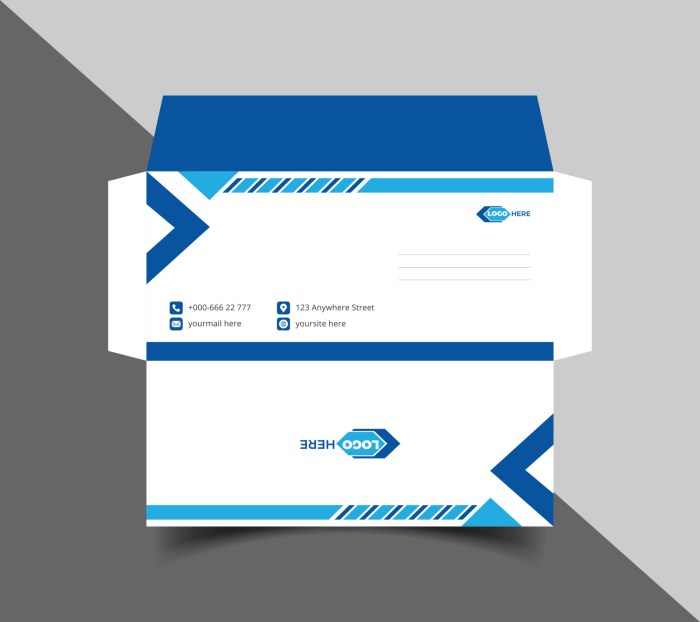
As we conclude our exploration of envelope design, it's evident that this seemingly simple item holds immense potential for branding and marketing. By leveraging the key elements of design, staying updated on current trends, and embracing customization, you can elevate your envelope game and leave a lasting impression on your audience.
Let your envelopes tell a story that resonates with your brand and captivates your recipients at first glance.
Question Bank
How important is envelope design in branding?
Envelope design is crucial in branding as it serves as the first point of contact between your brand and the recipient, setting the tone for further interactions.
What are some key elements to consider in envelope design?
Key elements include size, shape, color, typography, and imagery, all of which contribute to the overall impact and visual appeal of the envelope.
How can technology influence envelope design trends?
Technology has enabled innovative approaches in envelope design, such as interactive elements and personalized printing techniques, leading to more engaging and dynamic designs.
Why is customization important in envelope design?
Customization allows envelopes to align with specific events or target audiences, creating a more personalized and memorable experience for recipients.
What impact do personalized envelopes have on recipient engagement?
Personalized envelopes have been shown to increase recipient engagement and response rates, as they create a sense of connection and relevance for the recipient.