As we delve into the realm of exterior siding costs, a world of choices and considerations awaits. From the different materials available to the factors influencing costs, this guide will unravel the complexities surrounding this essential aspect of home improvement.
Let's begin by shedding light on the various types of siding materials and their cost implications, durability, and maintenance requirements.
Types of Exterior Siding Materials
When it comes to choosing exterior siding materials for your home, there are several options available, each with its unique characteristics and cost implications. Let's explore the different types of siding materials to help you make an informed decision based on your budget and preferences.
Vinyl Siding
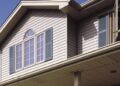
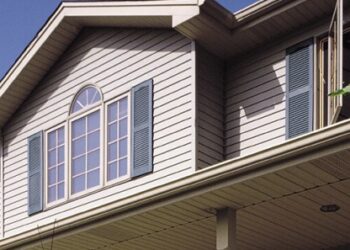
Vinyl siding is a popular choice for homeowners due to its affordability and low maintenance requirements. It comes in a variety of colors and styles, making it versatile for different architectural designs. The cost of vinyl siding is relatively lower compared to other materials, making it a cost-effective option for budget-conscious homeowners.
However, it may not be as durable as other materials and can crack or fade over time.
Wood Siding
Wood siding provides a classic and natural look to your home, adding warmth and character. While wood siding can be more expensive than vinyl, it offers a timeless appeal that many homeowners appreciate. The cost of wood siding can vary depending on the type of wood used, with cedar and redwood being popular choices for their durability and resistance to rot.
However, wood siding requires regular maintenance, such as staining or painting, to prevent decay and prolong its lifespan.
Fiber Cement Siding
Fiber cement siding is a durable and low-maintenance option that mimics the look of wood but offers better resistance to rot, termites, and fire. While the initial cost of fiber cement siding may be higher than vinyl, it is a long-lasting and cost-effective choice in the long run.
Fiber cement siding is available in a wide range of colors and styles, providing flexibility in design options for homeowners looking for a modern and sleek appearance.
Metal Siding
Metal siding, such as aluminum or steel, is known for its durability and strength, making it a popular choice for areas prone to extreme weather conditions. While the initial cost of metal siding may be higher than other materials, it requires minimal maintenance and has a long lifespan.
Metal siding is available in various finishes, including painted or textured options, allowing homeowners to customize the look of their home while ensuring protection against elements like moisture and pests.
Factors Influencing Exterior Siding Costs
When considering the cost of installing exterior siding, there are several key factors that can influence the overall expenses. Understanding these factors can help homeowners make informed decisions and budget effectively for their siding project.
Size of the House or Building
The size of the house or building plays a significant role in determining the cost of exterior siding installations. Larger properties require more materials and labor, which can drive up the overall expenses. Additionally, the complexity of the design and the number of corners and angles on the building can also impact the cost.
Location, Labor Costs, and Additional Features
The location of the property can affect siding costs due to factors such as local building codes, permit requirements, and accessibility. Labor costs can vary depending on the region and the expertise of the contractors hired for the job. Additionally, the inclusion of additional features such as trim work, decorative elements, or insulation can add to the total expenses of the siding project.
Installation Costs and Procedures
When it comes to installing exterior siding, there are several factors that can influence the overall cost. Understanding the typical installation process, breakdown of labor costs versus material costs, and how the complexity of the design or structure can affect expenses is crucial for planning and budgeting.
Typical Installation Process
The typical installation process for exterior siding involves several steps. First, the old siding may need to be removed, followed by preparing the surface for the new siding. This may include repairing any damage or applying a weather-resistant barrier. The siding is then installed according to the manufacturer's instructions, ensuring proper alignment and fastening.
Finally, trim pieces and finishing touches are added to complete the installation.
Breakdown of Costs
When it comes to the costs associated with siding installation, labor and materials are the two main components. Labor costs typically account for a significant portion of the total cost, as the installation process requires skilled labor and can be time-consuming
Material costs will vary depending on the type of siding chosen, with some materials being more expensive than others. It's important to consider both labor and material costs when budgeting for a siding installation project.
Impact of Design Complexity
The complexity of the design or structure of a building can also affect installation expenses. More intricate designs may require additional time and labor to properly install the siding, leading to higher costs. Additionally, structures with unique features or challenging layouts may present obstacles that can impact the overall cost of the installation.
It's important to account for these factors when estimating the cost of installing exterior siding on a property.
Cost-Saving Tips for Exterior Siding
When it comes to exterior siding, there are several strategies you can implement to reduce costs without sacrificing quality. Whether you opt for a DIY installation or negotiate prices with contractors, there are ways to make your siding project more budget-friendly.
DIY Siding Installation
If you have some experience with home improvement projects and are willing to put in the time and effort, DIY siding installation can save you a significant amount of money. By taking on the installation yourself, you can avoid labor costs and potentially reduce the overall project cost.
Negotiating Prices with Contractors
When hiring contractors for your siding project, don't be afraid to negotiate prices. Get quotes from multiple contractors and suppliers, and use these quotes to leverage better deals. You may be able to secure lower prices on materials or labor by comparing offers and negotiating with different vendors.
Choose Cost-Effective Materials
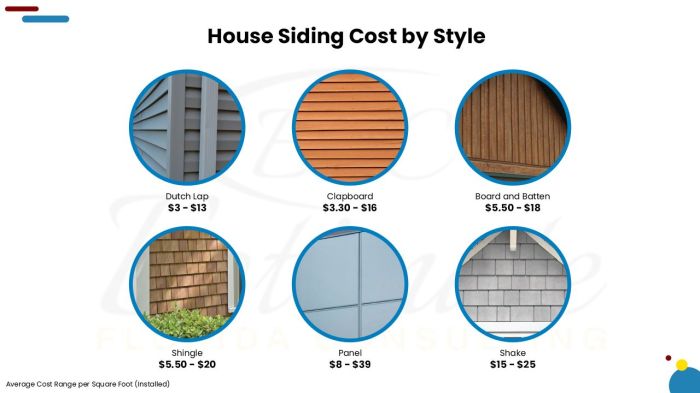
Consider opting for cost-effective siding materials that still offer durability and aesthetic appeal. Vinyl siding, for example, is a popular choice for its affordability and low maintenance requirements. By choosing materials that are budget-friendly, you can achieve the look you want without overspending.
Maintain Your Siding Regularly
Regular maintenance can help extend the lifespan of your siding and prevent costly repairs or replacements down the line. Simple tasks like cleaning your siding, inspecting for damage, and addressing issues promptly can save you money in the long run by avoiding more extensive repairs.
Shop for Deals and Discounts
Keep an eye out for sales, promotions, and discounts on siding materials. By timing your purchase strategically and taking advantage of special offers, you can lower your overall siding costs. Consider shopping around and comparing prices from different suppliers to find the best deals available.
Last Recap
In conclusion, understanding exterior siding costs is not just about numbers; it's about making informed decisions that enhance the value and aesthetics of your property. Armed with the knowledge shared in this guide, you're now equipped to navigate the world of exterior siding costs with confidence.
FAQ Summary
What are the most cost-effective exterior siding materials?
Vinyl and fiber cement are often considered cost-effective options due to their durability and low maintenance requirements.
How can I reduce exterior siding costs?
Consider DIY installation, negotiate prices with contractors, and explore cost-saving strategies like buying materials in bulk.
Does the size of the house impact siding costs?
Yes, larger homes typically require more materials and labor, leading to higher overall siding costs.