Embark on a journey into the world of home styling as we delve into the intricacies of this creative profession. From understanding the essence of a home stylist to exploring the latest trends, this guide promises to be a captivating read for all enthusiasts of interior design.
In the subsequent sections, we will unravel the skills, services, and trends that define the realm of home styling, offering valuable insights for aspiring professionals and design aficionados alike.
Introduction to Home Stylist
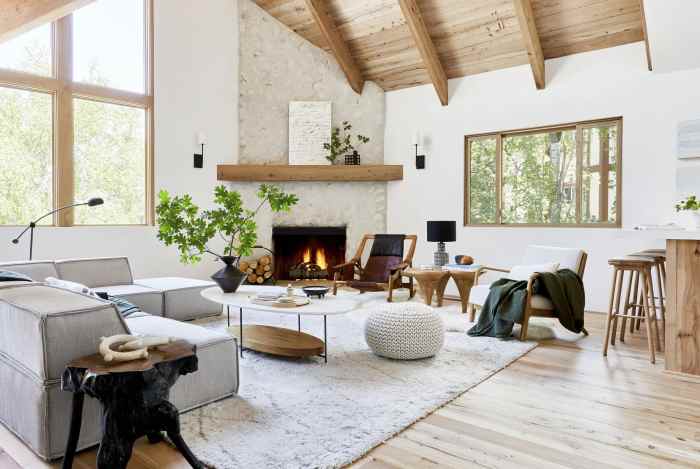
A home stylist is a professional who specializes in decorating and furnishing residential spaces to enhance their aesthetics and functionality.
Hiring a home stylist is important as they can help transform your home into a beautiful and cohesive living space that reflects your personal style and preferences.
Difference between Home Stylist and Interior Designer
- Home Stylist:
- Focuses on enhancing the overall look and feel of a home through decor, furniture, and accessories.
- Works with existing elements in the space to create a cohesive and stylish environment.
- Emphasizes on incorporating the client's personality and taste into the design.
- Interior Designer:
- Has formal training in architectural and design principles.
- Can alter the structure of a space by moving walls, changing layouts, and designing built-in elements.
- Usually involved in the early stages of new construction or major renovations.
Skills and Qualifications
To become a successful home stylist, several essential skills are required along with the right educational background and certifications/training programs.
Essential Skills
- Strong Eye for Design: Being able to visualize and create aesthetically pleasing spaces is crucial for a home stylist.
- Color Coordination: Understanding color theory and how different colors complement each other is vital in creating cohesive designs.
- Attention to Detail: The ability to focus on small details and ensure everything is perfectly placed is key in home styling.
- Interpersonal Skills: Good communication and customer service skills are important when working with clients to understand their needs and preferences.
- Creativity: Thinking outside the box and coming up with unique design ideas will set you apart as a home stylist.
Educational Background
While a specific degree is not always required, a background in interior design, architecture, or a related field can provide a solid foundation for a career in home styling.
Certifications and Training Programs
There are several certifications and training programs available that can benefit aspiring home stylists. These programs often cover topics like design principles, color theory, space planning, and styling techniques. Some popular certifications include:
- Certified Interior Decorator (CID): Focuses on interior decorating skills and techniques.
- Certified Home Staging Professional (CHSP): Specializes in staging homes to sell quickly and for top dollar.
- Interior Design Society (IDS) Certification: Offers a range of certifications for different aspects of interior design and styling.
Home Styling Services
Home stylists offer a variety of services to help clients transform their living spaces and create a more aesthetically pleasing environment. These services can range from staging homes for sale to redesigning existing spaces according to the client's preferences.
Staging Homes for Sale
When staging a home for sale, a home stylist focuses on enhancing the visual appeal of the property to attract potential buyers. This may involve decluttering, rearranging furniture, adding decorative elements, and creating a welcoming atmosphere to make the home more marketable.
Redesigning Existing Spaces
Home stylists also work with clients to redesign their existing spaces, such as living rooms, bedrooms, kitchens, or home offices. They can help choose color schemes, furniture, lighting, and accessories to revamp the room and give it a fresh new look.
Collaborating with Clients
Collaborating with clients is a crucial part of a home stylist's job. They need to understand their clients' needs, preferences, lifestyle, and budget to create a design that reflects their personality and meets their requirements. This involves active listening, effective communication, and a keen eye for detail to bring the client's vision to life.
Trends in Home Styling
Home styling trends are constantly evolving, influenced by various factors such as changing preferences, lifestyle shifts, and design innovations. Home stylists need to stay updated with these trends to provide clients with the latest and most appealing design options.
Popular Color Schemes
Color schemes play a significant role in setting the tone and mood of a space. Some popular color schemes in home styling currently include:
- Neutral tones such as whites, grays, and beiges for a timeless and elegant look.
- Bold and vibrant colors like deep blues, emerald greens, and mustard yellows for a more dramatic and modern feel.
- Monochromatic schemes using varying shades of a single color for a cohesive and sophisticated aesthetic.
Furniture Styles
The choice of furniture can greatly impact the overall style of a home. Current trends in furniture styles include:
- Mid-century modern furniture featuring clean lines, organic shapes, and minimalist designs.
- Industrial furniture with raw materials like metal and wood, adding a touch of urban chic to spaces.
- Scandinavian furniture known for its simplicity, functionality, and light colors, creating a sense of calm and comfort.
Decor Elements
Decor elements are essential for adding personality and character to a space. Some trending decor elements in home styling are:
- Houseplants and botanical prints to bring nature indoors and create a fresh and lively atmosphere.
- Artisanal and handcrafted pieces that add uniqueness and a sense of authenticity to the decor.
- Mixed metals like brass, copper, and matte black to introduce visual interest and a touch of luxury.
Staying Up-to-Date with Trends
Home stylists stay current with industry trends by:
- Attending design exhibitions, trade shows, and workshops to discover new products and innovations.
- Following influential interior designers and trendsetters on social media platforms for inspiration and insights.
- Regularly reading design magazines, blogs, and websites to stay informed about the latest trends and techniques.
Role of Social Media
Social media platforms like Instagram, Pinterest, and Houzz play a significant role in shaping home styling trends by:
- Showcasing visually appealing design ideas, color palettes, and decor inspirations to a global audience.
- Allowing users to follow and engage with top designers, brands, and influencers in the home decor industry.
- Encouraging collaboration and sharing of ideas among professionals and enthusiasts, fostering a dynamic and creative community.
Budgeting and Resource Management
When it comes to home styling, managing budget and resources effectively is crucial to delivering quality results without overspending. Here are some tips to help home stylists work within a client's budget while still achieving stylish and beautiful spaces.
Sourcing Affordable Decor Items
- Shop at discount stores, thrift shops, and online marketplaces to find affordable yet stylish decor pieces.
- Attend estate sales, garage sales, and flea markets to discover unique items at budget-friendly prices.
- Consider upcycling or repurposing existing items to give them a fresh and stylish look without breaking the bank.
Managing Resources Efficiently
- Create a detailed plan and budget for each project to avoid overspending and ensure resources are utilized effectively.
- Collaborate with local vendors and craftsmen to get discounts or special deals on furniture and decor items.
- Opt for versatile pieces that can be used in multiple ways to maximize the value of each item in the styling process.
Conclusive Thoughts
As we conclude our exploration of home styling, we hope this guide has provided you with a comprehensive understanding of the art and science behind creating beautiful living spaces. Whether you're planning a career in home styling or simply seeking inspiration for your own abode, let your creativity soar and transform houses into inviting homes.
Essential FAQs
What is the difference between a home stylist and an interior designer?
A home stylist focuses on enhancing the aesthetic appeal of a space through decor and furnishings, while an interior designer is involved in the structural and architectural aspects of a space.
What are the essential skills required to become a successful home stylist?
Key skills include creativity, attention to detail, color coordination, spatial awareness, and strong communication abilities.
How do home stylists stay up-to-date with the latest trends?
Home stylists often attend design workshops, follow design blogs and magazines, and engage with social media platforms to keep abreast of current trends.
What are some strategies for sourcing affordable yet stylish home decor items?
Home stylists can explore thrift stores, online marketplaces, and budget-friendly retailers to find unique and stylish decor pieces at affordable prices.
How can home stylists work within a client's budget while delivering quality results?
By prioritizing essential decor elements, repurposing existing items, and exploring cost-effective alternatives, home stylists can create stunning spaces within budget constraints.