Embark on a journey through the world of house siding installers, where expertise meets innovation. This guide promises to delve into the intricacies of materials, techniques, and maintenance, offering a comprehensive view of this essential home improvement process.
Types of House Siding Materials
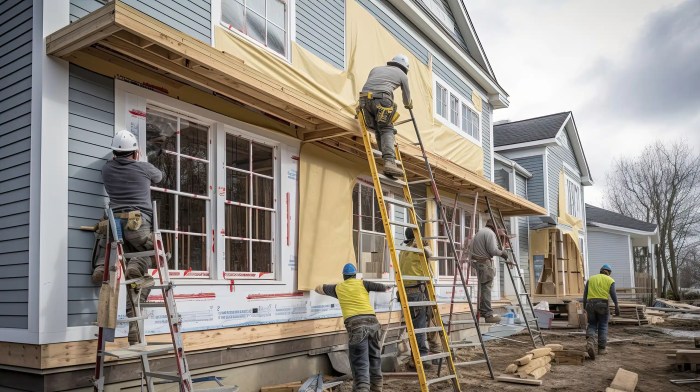
When it comes to house siding installations, there are various materials to choose from, each with its own advantages and considerations. Here, we will explore the most common types of house siding materials used in the industry.
Vinyl Siding
Vinyl siding is a popular choice due to its affordability and low maintenance requirements. It is durable, resistant to rot and pests, and comes in a wide range of colors and styles. However, it may crack or fade over time, especially in extreme weather conditions.
Wood Siding
Wood siding offers a natural and timeless look to a home. While it requires more maintenance compared to vinyl, regular care such as painting or staining can help prolong its lifespan. Wood siding is susceptible to rot, pests, and moisture damage if not properly maintained.
Fiber Cement Siding
Fiber cement siding is known for its durability and resistance to fire, insects, and rot. It can mimic the look of wood or stucco but requires less maintenance. However, it is heavier and may require professional installation due to its weight.
Metal Siding
Metal siding, such as aluminum or steel, is durable and resistant to fire, insects, and rot. It is low maintenance and can last for decades with proper care. However, metal siding may dent or scratch easily, and certain types of metal can be prone to rust.
Preparation for House Siding Installation
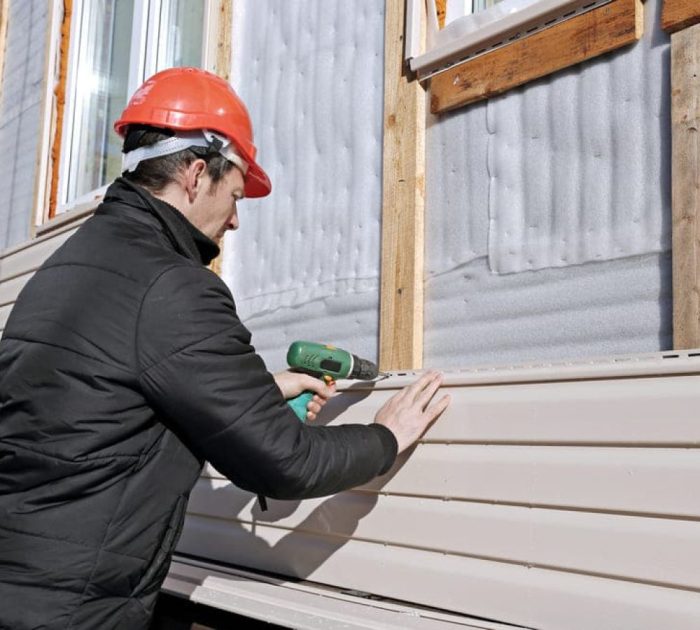
Before installing house siding, it is essential to properly prepare the house to ensure a successful and long-lasting installation.Proper Insulation:
Importance of Proper Insulation
Insulation plays a crucial role in maintaining the energy efficiency of a home. Before installing siding, it is important to ensure that the house is properly insulated. Good insulation helps in regulating temperature inside the house, reducing energy costs, and preventing moisture buildup that can lead to mold and mildew issues.Weatherproofing:
Role of Weatherproofing
Weatherproofing is another important step in preparing a house for siding installation. It involves sealing any gaps or cracks in the exterior walls to prevent water infiltration and damage. Proper weatherproofing helps in protecting the structure of the house from moisture, wind, and other weather elements, ensuring a durable and long-lasting siding installation.
Hiring House Siding Installers
When it comes to house siding installation, hiring the right professionals can make a significant difference in the outcome of your project. Here are some tips on how to select reputable house siding installers.
Selecting Reputable House Siding Installers
- Ask for recommendations from friends, family, or neighbors who have recently had siding installed.
- Research online reviews and ratings of local siding companies to gauge their reputation.
- Check if the installers are licensed, insured, and certified to ensure they meet industry standards.
- Get multiple quotes from different installers to compare pricing and services offered.
- Ask about the warranty and guarantees provided by the installers to protect your investment.
Cost Comparison: Professional vs. DIY
While some homeowners may consider DIY siding installation to save money, it's essential to weigh the costs and benefits carefully.
- Professional siding installation may seem more expensive upfront, but it ensures quality workmanship and saves time and effort.
- DIY installation can lead to costly mistakes, rework, and potential damage to your home if not done correctly.
- Professionals have the expertise, tools, and experience to handle any challenges that may arise during the installation process.
Benefits of Hiring Experienced Professionals
There are several advantages to hiring experienced professionals for your house siding installation project.
- Quality Work: Professionals have the skills and knowledge to ensure a high-quality finish that enhances your home's curb appeal.
- Time-Saving: Professional installers work efficiently and can complete the project in a timely manner, saving you time and hassle.
- Expertise: Experienced installers can provide valuable insights, recommendations, and solutions to optimize the installation process.
- Warranty Protection: Most professional installers offer warranties on their work, giving you peace of mind and protection against any issues that may arise.
Siding Installation Techniques
Installing siding on different types of surfaces requires specific techniques to ensure a proper and long-lasting installation. Siding installers use common tools and equipment to effectively complete the job. Following best practices is essential to achieve a seamless finish and ensure the durability of the siding.
Surface Preparation
Before installing siding, the surface must be properly prepared to ensure a smooth and secure attachment. This involves cleaning the surface, removing any existing siding or debris, and repairing any damage or imperfections
- Pressure washing the surface to remove dirt, grime, and mildew.
- Scraping off any peeling paint or loose particles.
- Repairing any cracks or holes in the surface.
- Applying a primer or sealant to create a stable base for the siding.
Tools and Equipment
Siding installers use a variety of tools and equipment to effectively install siding on different surfaces. These tools help ensure precision, efficiency, and safety throughout the installation process.
- Hammer and nails or a nail gun for securing the siding in place.
- Tape measure and level for accurate measurements and alignment.
- Circular saw or snips for cutting the siding to fit properly.
- Siding removal tool for taking off old siding.
- Ladder or scaffolding for working at heights.
Best Practices
To achieve a seamless and long-lasting siding installation, it is important to follow best practices throughout the process. These practices help prevent issues such as warping, buckling, or water damage, ensuring the siding looks great and functions properly for years to come.
- Follow manufacturer's instructions for installation to ensure proper techniques and materials are used.
- Use appropriate fasteners and spacing to secure the siding correctly without causing damage.
- Ensure proper ventilation behind the siding to prevent moisture buildup and potential mold growth.
- Inspect the siding regularly for any signs of damage or wear and address issues promptly.
Finishing Touches and Maintenance
After the house siding installation is complete, it is important to focus on finishing touches and regular maintenance to ensure the longevity and durability of the siding. Here are some tips to consider:
Finishing Touches
- Inspect the entire siding installation for any gaps, cracks, or loose panels. Make sure all seams are properly sealed to prevent water infiltration.
- Apply a fresh coat of paint or sealant to protect the siding from harsh weather conditions and UV rays. Choose a high-quality product that is recommended for the specific type of siding material used.
- Consider adding decorative elements such as trim, shutters, or moldings to enhance the visual appeal of your home's exterior.
Maintenance Tips
- Regularly clean the siding with a mild detergent and water to remove dirt, grime, and mold. Avoid using harsh chemicals or abrasive materials that could damage the siding surface.
- Trim any overgrown vegetation near the siding to prevent moisture retention and potential damage. Keep plants, bushes, and trees trimmed away from the house to avoid contact with the siding.
- Inspect the siding for signs of wear and tear, such as fading, peeling, or warping. Address any issues promptly to prevent further damage and costly repairs.
- Schedule annual inspections by professional siding installers to assess the condition of the siding and identify any potential issues early on.
Importance of Regular Inspections
Regular inspections play a crucial role in maintaining the integrity of your house siding. By conducting routine checks and addressing any issues promptly, you can prevent extensive damage and prolong the lifespan of the siding. Timely repairs and maintenance can save you money in the long run and ensure that your home remains protected and visually appealing.
Concluding Remarks
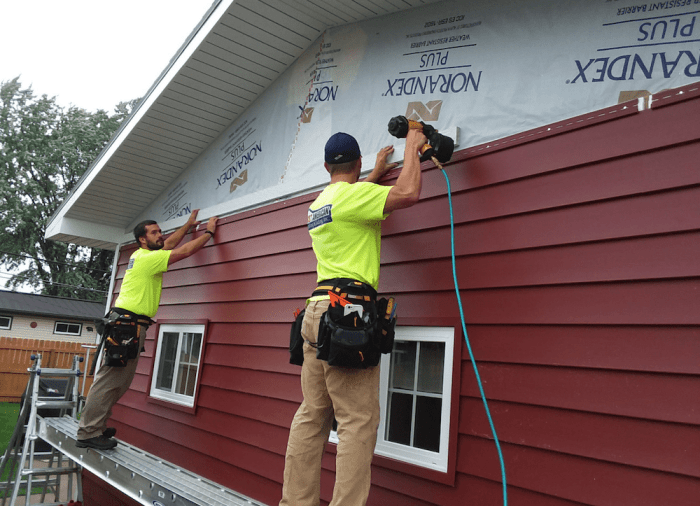
As we reach the end of this guide, remember that house siding installers play a crucial role in enhancing the beauty and functionality of your home. With the knowledge gained here, you're well-equipped to make informed decisions and ensure a seamless siding installation experience.
Quick FAQs
What are the most common types of house siding materials used?
House siding materials commonly used include vinyl, wood, fiber cement, and metal.
How can I select reputable house siding installers?
Look for installers with good reviews, certifications, and experience in the field.
Is it better to hire professional siding installers or attempt a DIY installation?
Professional installers ensure quality work and save you time and effort, but DIY can be cost-effective for those with experience.
What are some common tools used by house siding installers?
Tools like nail guns, saws, levels, and hammers are commonly used in siding installation.
How often should house siding be inspected for maintenance?
Regular inspections should be done at least once a year to catch any issues early and prevent damage.