Local siding contractors play a crucial role in the construction industry, offering expertise and services that are essential for any siding project. In this detailed guide, we will explore the significance of hiring local contractors, the services they provide, key qualities to look for, pricing factors to consider, project planning tips, and much more.
Get ready to dive into the world of local siding contractors and discover why they are the ideal choice for your next project.
Overview of Local Siding Contractors
Local siding contractors play a crucial role in the construction industry by specializing in the installation, repair, and maintenance of exterior siding for residential and commercial buildings. These professionals are skilled in working with various materials such as vinyl, wood, fiber cement, and metal to enhance the aesthetics and functionality of a property's facade.When it comes to siding projects, hiring local contractors offers several advantages.
Local siding contractors are familiar with the specific climate, building codes, and architectural styles of the area, ensuring that the siding installation is tailored to local conditions and requirements. Moreover, working with local contractors promotes community support and trust, as they are often more invested in maintaining a positive reputation within their own neighborhoods.In addition to providing quality craftsmanship and personalized service, local siding contractors contribute to the local economy by creating job opportunities, supporting local suppliers, and stimulating economic growth within the community.
Benefits of Hiring Local Siding Contractors
- Expertise in local building codes and regulations
- Knowledge of regional climate conditions for optimal siding performance
- Supporting local businesses and fostering community relationships
- Promoting economic development and job creation within the area
Services Offered by Local Siding Contractors
Local siding contractors offer a range of services to meet the needs of homeowners looking to improve the exterior of their homes. These services can vary from basic repairs to full siding installations.
Common Services Provided by Local Siding Contractors
- Siding Installation: Local contractors are skilled in installing a variety of siding materials, including vinyl, wood, fiber cement, and metal.
- Siding Repair: Whether it's fixing a small crack or replacing damaged panels, local contractors can handle siding repairs efficiently.
- Siding Replacement: When it's time for a complete siding replacement, local contractors can help homeowners choose the best material and complete the installation.
- Siding Maintenance: Regular maintenance is essential for the longevity of siding, and local contractors can provide services to keep the siding in top condition.
Comparison with Larger Non-Local Companies
Local siding contractors often provide more personalized service compared to larger non-local companies. They are more likely to have a hands-on approach, better communication with clients, and quicker response times. Local contractors also tend to have a deeper understanding of the local climate and building regulations, which can be beneficial for homeowners.
Benefits of Choosing a Local Siding Contractor
- Personalized Service: Local contractors offer a more personalized experience and are often more invested in the satisfaction of their clients.
- Quick Response: Local contractors can respond quickly to inquiries, provide on-site visits promptly, and complete projects in a timely manner.
- Knowledge of Local Regulations: Local contractors are well-versed in the local building codes and regulations, ensuring that the siding installation meets all requirements.
- Supporting the Local Economy: By hiring a local siding contractor, homeowners are supporting small businesses in their community and contributing to the local economy.
Qualities to Look for in Local Siding Contractors
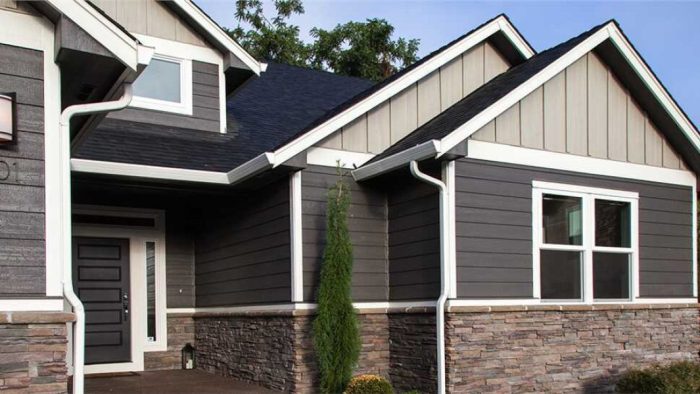
When looking for a local siding contractor to work on your home, it is crucial to consider certain qualities that distinguish a reputable and reliable professional. These qualities can help ensure that your siding project is completed efficiently and to a high standard.
Certifications and Licenses
Certifications and licenses are essential qualities to look for in local siding contractors. Contractors who are properly certified and licensed demonstrate that they have met certain standards of professionalism and expertise in the industry. These credentials not only indicate a commitment to quality work but also ensure that the contractor is knowledgeable about building codes and regulations.
Before hiring a local siding contractor, always ask to see their certifications and licenses to verify their credentials.
Reputation and Reliability
Evaluating the reputation and reliability of local siding contractors is another important aspect to consider. A good contractor should have a positive reputation within the community and a track record of satisfied customers. Look for reviews and testimonials from previous clients to get an idea of the contractor's work quality and customer service.
Additionally, consider how responsive and reliable the contractor is in terms of communication and meeting project deadlines. Trustworthy contractors will be transparent about their work process and provide clear timelines for completion.
Pricing and Cost Factors
When it comes to siding projects, understanding the pricing and cost factors involved is crucial for homeowners looking to hire local siding contractors. The typical pricing structure used by local siding contractors is based on various factors, including materials, labor, and additional services.
Materials and Labor Impact
- Materials: The type of siding material chosen for the project significantly impacts the overall cost. For example, vinyl siding is more budget-friendly compared to fiber cement or wood siding.
- Labor: The complexity of the project and the labor required also play a significant role in determining the cost. Projects that involve intricate designs or require additional preparation work will incur higher labor costs.
- Additional Services: Some contractors may offer additional services such as insulation installation or trim work, which can impact the final cost of the project.
Obtaining Accurate Quotes
- Research: It is essential to research and compare quotes from multiple local siding contractors to ensure you are getting a fair price for the project.
- On-Site Assessment: Schedule on-site assessments with potential contractors so they can evaluate the scope of work and provide accurate quotes based on the specific requirements of your project.
- Detailed Contracts: Make sure to request detailed contracts outlining all costs, materials, labor, and any additional services to avoid any surprises or hidden fees later on.
Project Planning and Execution

Planning and executing a siding project with a local contractor requires careful consideration and collaboration to ensure a successful outcome.
Step-by-Step Guide to Planning a Siding Project
- 1. Consultation: Begin by scheduling a consultation with a local siding contractor to discuss your project requirements and goals.
- 2. Inspection: The contractor will conduct a thorough inspection of your property to assess the condition of the existing siding and recommend the best course of action.
- 3. Design and Material Selection: Work with the contractor to choose the right siding materials and design that align with your aesthetic preferences and budget.
- 4. Permit Acquisition: Ensure that all necessary permits are obtained before the project begins to avoid any legal issues.
- 5. Scheduling: Set a timeline for the project with the contractor, taking into account factors like weather conditions and availability of materials.
- 6. Execution: The contractor will start the installation process, making sure to follow the agreed-upon design and quality standards.
- 7. Inspection and Approval: Once the project is completed, a final inspection will be conducted to ensure everything meets the required standards before approval.
Common Challenges During Siding Projects
- 1. Weather Delays: Unpredictable weather conditions can cause delays in the project timeline, but experienced local contractors know how to adapt and work around such challenges.
- 2. Material Shortages: Sometimes, there may be delays in the availability of materials, but proactive contractors will have backup plans in place to mitigate this issue.
- 3. Unexpected Repairs: During the inspection phase, hidden damage or repairs may be uncovered, but skilled contractors will address these issues promptly.
Importance of Communication and Collaboration
Effective communication and collaboration between you and the local siding contractor are crucial for the success of the project. Clear communication ensures that everyone is on the same page regarding project goals, timelines, and expectations. Collaborating closely with the contractor allows for any issues or changes to be addressed promptly, leading to a smoother and more efficient project execution.
Materials and Design Options
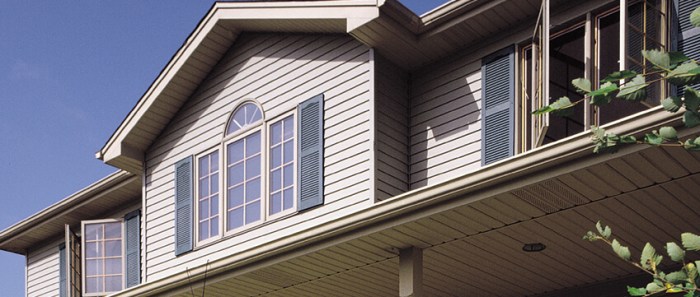
When it comes to siding projects, local contractors offer a variety of materials and design options to choose from. These options can greatly impact the overall look and durability of your home's exterior.
Siding Materials
- Vinyl: A popular choice due to its affordability, low maintenance, and wide range of colors and styles.
- Fiber Cement: Known for its durability, resistance to fire and insects, and ability to mimic the look of wood or stucco.
- Wood: Offers a classic, natural look but requires more maintenance to prevent rot and insect damage.
- Aluminum: Provides a sleek, modern appearance and is resistant to rust and rot.
Design Options and Styles
- Horizontal Lap: A traditional style that gives a timeless look to any home.
- Vertical Board and Batten: Adds a rustic charm and visual interest to the exterior.
- Shingle or Shake: Provides texture and depth, creating a unique and eye-catching facade.
- Modern Panels: Offers a contemporary look with clean lines and a minimalist aesthetic.
Eco-Friendly and Sustainable Choices
- Fiber Cement: Made from sustainable materials like wood fiber and cement, and is long-lasting, reducing the need for frequent replacements.
- Reclaimed Wood: Using salvaged wood for siding projects helps reduce waste and gives a unique, rustic appearance.
- Recycled Metal: Aluminum or steel siding made from recycled materials is a sustainable option that can be recycled again at the end of its lifespan.
Epilogue
From understanding the importance of certifications to exploring eco-friendly siding options, local siding contractors offer a myriad of benefits for your project. By choosing a local contractor, you not only support the community but also ensure a high-quality outcome for your siding project.
With their expertise and dedication, local siding contractors are the perfect partners for bringing your vision to life.
Answers to Common Questions
What are the advantages of hiring local siding contractors?
Local siding contractors offer personalized service, quick response times, and a deep understanding of local building codes and regulations.
How can I verify the reputation of a local siding contractor?
You can check online reviews, request references from past clients, and verify their licenses and certifications to ensure credibility.
Do local contractors typically offer a warranty on their work?
Yes, many local siding contractors provide warranties on their workmanship to guarantee customer satisfaction and quality assurance.