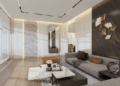
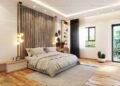
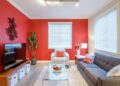
Delve into the world of lucid interiors where design meets clarity, creating spaces that are not only visually stunning but also harmoniously functional. From the play of light to the choice of furniture, every element is meticulously curated to enhance the lucidity of your surroundings, offering a unique blend of aesthetics and practicality.
As we explore the key components of lucid interior design, you'll uncover how each aspect contributes to a seamless and inviting environment that exudes a sense of openness and tranquility.
Lucid Interior Design
Lucid interior design focuses on creating spaces that are clear, transparent, and easily understood. It aims to eliminate clutter and distractions, allowing the design elements to stand out and shine.
Elements of a Lucid Interior
Key elements that contribute to creating a lucid interior include:
- Minimalist furniture and decor: Simplistic and clean lines help maintain a sense of clarity in the space.
- Open layouts: Spaces that flow seamlessly from one area to another promote a sense of openness and transparency.
- Use of natural light: Maximizing natural light sources helps illuminate the space and create a bright, airy atmosphere.
- Neutral color palettes: Soft, neutral colors create a calming environment and allow other design elements to take center stage.
Importance of Lighting in Lucid Interior Design
Lighting plays a crucial role in achieving a lucid interior design. Proper lighting can enhance the overall atmosphere of a space, highlight key design features, and create a sense of openness and clarity. By strategically placing light fixtures and utilizing natural light sources, designers can control the mood and ambiance of a room.
Enhancing Lucidity with Color Schemes
Color schemes can significantly impact the lucidity of an interior space. By choosing light, neutral colors or soft pastel hues, designers can create a sense of serenity and simplicity. Bright, bold colors can be used sparingly to add visual interest without overwhelming the space.
Consistent color schemes throughout the space help maintain a cohesive and harmonious design.
Furniture and Layout

When it comes to creating a lucid interior design, furniture selection and layout play a crucial role in achieving a harmonious and organized space. The right furniture pieces can enhance the overall flow and functionality of a room, while a well-thought-out layout can maximize space and create a sense of openness.
Impact of Furniture Selection
Choosing the right furniture can significantly impact the lucidity of an interior. Opt for furniture pieces that are proportional to the space, avoiding overcrowding that can lead to a cluttered and chaotic environment. Selecting furniture with clean lines and minimalistic designs can help create a sense of simplicity and clarity within the space.
Different Furniture Arrangements
Experimenting with different furniture arrangements can help optimize lucidity in a room. Consider the flow of movement within the space and aim to create a layout that allows for easy navigation. Avoid blocking natural light sources and maintain an open pathway to ensure a seamless and unobstructed environment.
Role of Minimalism
Minimalism plays a significant role in creating a lucid interior design. Embracing a minimalist approach involves decluttering the space and focusing on essential furniture pieces that serve both functional and aesthetic purposes. By keeping the design simple and uncluttered, you can achieve a sense of calm and clarity in the room.
Tips for Organizing Furniture
- Prioritize function over form when selecting furniture pieces.
- Create designated areas for different activities to maintain organization.
- Utilize multifunctional furniture to maximize space efficiency.
- Leave negative space to allow the room to breathe and avoid overcrowding.
Incorporating Nature
When it comes to creating a lucid interior design, incorporating natural elements can significantly enhance the overall ambiance of a space. By bringing elements of nature indoors, you can promote a sense of tranquility, openness, and clarity.
Benefits of Indoor Plants
Indoor plants play a crucial role in promoting a clear and open interior. Not only do they add a touch of greenery and freshness to a space, but they also help purify the air and improve overall air quality. Additionally, indoor plants have been shown to reduce stress, boost productivity, and enhance overall well-being.
Natural Light Enhancement
- Natural light is a key element in improving the lucidity of a room. It not only brightens up the space but also creates a sense of openness and connection to the outdoors. By strategically placing windows, skylights, and glass doors, you can maximize the amount of natural light entering a room.
- Utilizing reflective surfaces such as mirrors can also help bounce natural light around a space, making it feel more spacious and airy.
Use of Natural Materials
- Integrating natural materials like wood, stone, bamboo, and rattan into the interior design can further enhance the lucidity of a space. These materials bring warmth, texture, and a sense of earthiness to the environment.
- By incorporating natural materials, you can create a harmonious and serene atmosphere that fosters relaxation and comfort.
Spatial Organization
Effective spatial organization plays a crucial role in creating a lucid interior that exudes clarity and harmony. By carefully arranging furniture, decor, and other elements within a space, you can optimize flow, functionality, and visual appeal.
Impact of Clutter
Clutter can disrupt the visual balance and coherence of a space, hindering the creation of a lucid interior. It is essential to declutter regularly and prioritize storage solutions to maintain a clean and organized environment.
Maximizing Storage
Utilize multifunctional furniture pieces, such as ottomans with hidden storage or wall-mounted shelves, to maximize storage options without sacrificing style. Incorporating built-in cabinets or utilizing vertical space can also help keep belongings neatly stored away.
Tips for an Open and Airy Feel
- Opt for light and neutral color palettes to create a sense of spaciousness.
- Choose furniture with clean lines and slim profiles to prevent visual clutter.
- Strategically place mirrors to reflect natural light and visually expand the space.
- Keep pathways clear and ensure proper lighting to maintain an open and airy feel.
Last Word
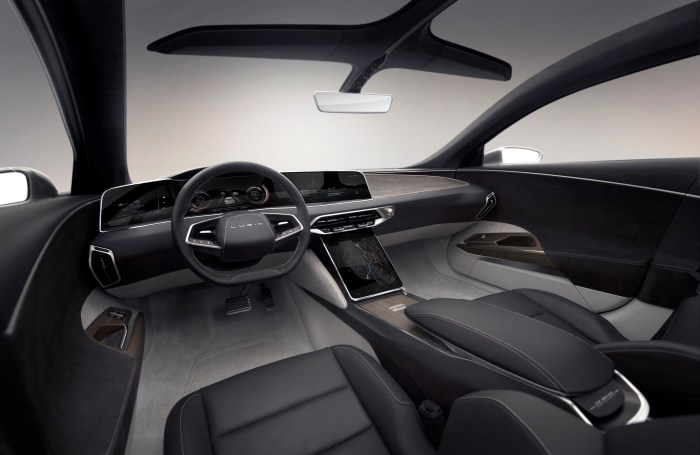
In conclusion, embracing the principles of lucid interior design can transform your living space into a sanctuary of clarity and elegance. By incorporating natural elements, optimizing spatial organization, and playing with color schemes, you can create a home that not only looks beautiful but also nurtures your well-being.
Dive into the world of lucid interiors and let your space reflect the beauty of simplicity and sophistication.
Question Bank
How does lighting impact lucid interior design?
Lighting plays a crucial role in enhancing the clarity and ambiance of a lucid interior. By strategically placing light fixtures and utilizing natural light sources, you can create a space that feels bright, open, and inviting.
What are some tips for organizing furniture in a lucid interior?
To maintain a lucid environment, opt for minimalistic furniture arrangements that allow for easy flow and movement. Keep furniture pieces proportional to the space and avoid overcrowding to preserve the sense of openness.
How can natural elements contribute to the lucidity of a space?
Incorporating natural elements such as indoor plants, natural light, and organic materials can bring a refreshing and calming effect to a lucid interior. These elements help create a connection to nature and promote a sense of tranquility.