Embark on a journey into the world of modern design, where clean lines, minimalism, and innovative materials converge to create visually stunning and functional spaces. This captivating overview delves into the essence of modern design, highlighting its key features and distinguishing it from traditional styles.
As we navigate through the elements, color palettes, textures, furniture, and decor of modern design, you'll discover how this aesthetic movement has shaped the way we perceive and interact with our living environments.
Definition and Characteristics of Modern Design
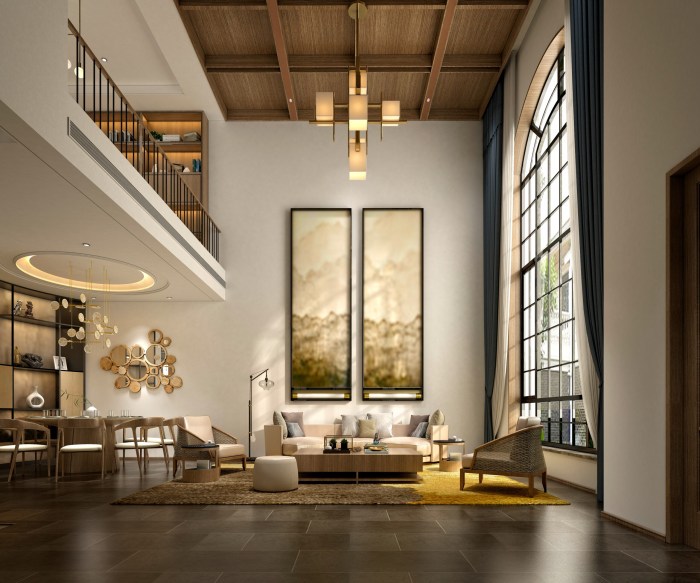
Modern design is characterized by clean lines, minimalism, and functionality. It focuses on simplicity, sleekness, and the use of modern materials such as glass, steel, and concrete. Unlike traditional design styles, modern design often eliminates unnecessary ornamentation and embraces open spaces and natural light.
Key Features of Modern Design
- Minimalism: Modern design emphasizes simplicity and clean lines, avoiding excessive decorations.
- Functionality: Furniture and decor in modern design are often designed with a purpose in mind, prioritizing usability.
- Use of Modern Materials: Glass, steel, and concrete are commonly used in modern design to create a contemporary look.
- Open Spaces: Modern design favors open floor plans and uncluttered spaces to promote a sense of airiness.
Examples of Famous Modern Design Movements or Designers
- Bauhaus Movement: Founded in Germany in the early 20th century, Bauhaus focused on the harmony between form and function in design.
- Charles and Ray Eames: American designers known for their iconic furniture designs that exemplify modernist principles.
- Mid-Century Modern: A design movement popular in the mid-20th century, known for its sleek lines, organic shapes, and innovative use of materials.
Elements of Modern Design
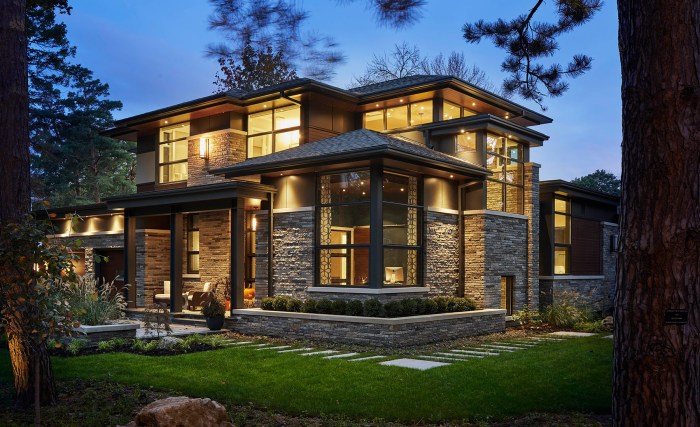
When it comes to modern design, there are several key elements that define its aesthetic and style. These elements include clean lines, geometric shapes, minimalism, and the use of materials like glass, steel, and concrete.
Clean Lines and Geometric Shapes
In modern design, clean lines and geometric shapes play a crucial role in creating a sleek and sophisticated look. These elements help to establish a sense of order and simplicity in the overall design. Whether it's in furniture, architecture, or decor, clean lines and geometric shapes contribute to a sense of balance and harmony in modern spaces.
Importance of Minimalism
Minimalism is a core principle in modern design aesthetics. This concept focuses on stripping away unnecessary elements and clutter to create a space that feels open, airy, and uncluttered. By embracing minimalism, modern design emphasizes functionality and simplicity, allowing key design elements to shine and make a statement.
Use of Glass, Steel, and Concrete
Materials like glass, steel, and concrete are commonly used in modern design due to their sleek and contemporary appeal. Glass provides transparency and lightness, steel offers strength and durability, and concrete adds an industrial edge. These materials are often used in combination to create a modern look that is both stylish and practical.
Color Palette and Textures in Modern Design
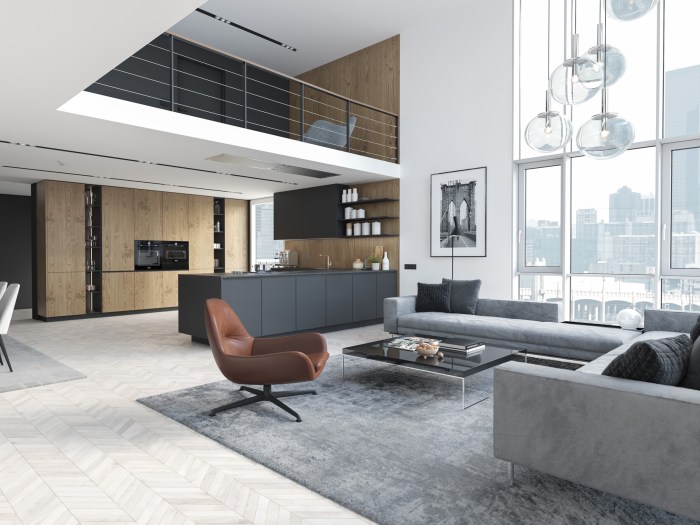
When it comes to modern design, the color palette plays a crucial role in creating a sleek and contemporary look. Typically, modern design incorporates neutral colors such as white, black, grey, and beige as the foundation. These neutral hues are often paired with bold, vibrant colors like red, yellow, or blue to add a pop of energy and create visual interest.Textures are another key element in modern design, used to add depth and dimension to a space.
Textures can be incorporated through various materials such as glass, metal, wood, and stone. For example, a modern living room might feature a sleek leather sofa, a glass coffee table, and a shaggy wool rug to create a dynamic mix of textures.
Contrasting Textures in Modern Design
In modern design, contrasting textures are often combined to create a cohesive and visually appealing look. For instance, a smooth, glossy surface like a marble countertop can be paired with a rough, matte texture like a concrete floor. This contrast not only adds interest but also creates a sense of balance in the space.
- Combining a plush velvet chair with a sleek metal table
- Pairing a smooth ceramic vase with a textured woven basket
- Contrasting a glossy tile backsplash with a matte finish on the cabinetry
Furniture and Decor in Modern Design
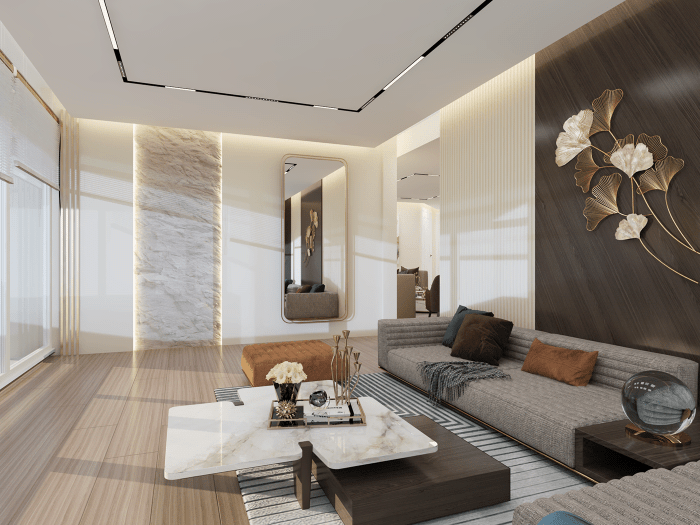
When it comes to modern design, furniture and decor play a crucial role in shaping the overall aesthetic of a space. Iconic modern furniture pieces have greatly influenced design trends over the years, with their sleek lines and innovative materials.
Functionality is key in modern furniture design, as pieces are often designed to serve a dual purpose while maintaining a minimalist and contemporary look. Incorporating modern design elements into home decor can create a cohesive and stylish space that feels both timeless and on-trend.
Iconic Modern Furniture Pieces
Modern design is known for its iconic furniture pieces that have become synonymous with the style. Pieces like the Eames Lounge Chair, Barcelona Chair, and Noguchi Coffee Table are just a few examples of furniture that have stood the test of time and continue to be popular in modern interiors.
Functionality in Modern Furniture Design
Functionality is a key aspect of modern furniture design, as pieces are often created with the user in mind. Multi-functional furniture such as storage beds, extendable dining tables, and modular shelving units are common in modern design, allowing for versatility and practicality in a space.
Incorporating Modern Design Elements into Home Decor
When it comes to incorporating modern design elements into home decor, there are a few key principles to keep in mind. Opt for clean lines, minimalistic forms, and a neutral color palette to achieve a contemporary look. Incorporate elements like metal accents, geometric patterns, and organic textures to add visual interest and depth to the space.
Wrap-Up
In conclusion, modern design offers a unique blend of form and function, paving the way for a harmonious fusion of artistry and practicality in interior and architectural spaces. As we continue to embrace the principles of modern design, we are bound to witness its timeless influence on contemporary aesthetics.
Frequently Asked Questions
What are the key features of modern design?
Modern design is characterized by clean lines, simplicity, minimalism, and the use of innovative materials.
How does modern design differ from traditional design styles?
Modern design focuses on functionality, minimalism, and experimentation with materials, while traditional styles may be more ornate and decorative.
Who are some famous modern design movements or designers?
Examples include the Bauhaus movement, Le Corbusier, and Charles and Ray Eames.
What are the typical color schemes used in modern design?
Neutral colors like white, black, and grey are often used in modern design, along with bold accent colors.
How is functionality incorporated into modern furniture design?
Modern furniture prioritizes practicality and usability without compromising on aesthetic appeal.