Embark on a journey through the world of modern house architecture, where sleek lines, innovative designs, and sustainable practices converge to shape the homes of today and tomorrow. From the evolution of architectural styles to the seamless blend of interior design elements, this captivating topic offers a glimpse into the future of living spaces.
Overview of Modern House Architecture
Modern house architecture refers to a style of residential design that emerged in the early 20th century, characterized by clean lines, minimalism, and an emphasis on functionality and simplicity. Key characteristics of modern house architecture include open floor plans, large windows to bring in natural light, and the use of industrial materials such as steel and concrete.
Evolution of Modern House Architecture
Modern house architecture has evolved over time, influenced by various architectural movements and technological advancements. In the early 20th century, pioneers like Frank Lloyd Wright and Le Corbusier paved the way for modernism with their innovative designs that prioritized form and function.
The mid-century modern movement in the 1950s and 1960s further popularized modern house architecture, with architects like Richard Neutra and Charles and Ray Eames creating iconic designs that are still admired today.
Well-Known Modern House Architects and Their Designs
- Ludwig Mies van der Rohe - Known for his minimalist designs, Mies van der Rohe's Farnsworth House and Barcelona Pavilion are considered architectural masterpieces.
- Zaha Hadid - A groundbreaking architect known for her futuristic designs, Hadid's Heydar Aliyev Center in Azerbaijan showcases her innovative approach to modern architecture.
- Richard Meier - Renowned for his use of white and geometric forms, Meier's Getty Center in Los Angeles exemplifies his distinctive style in modern house architecture.
Elements of Modern House Architecture
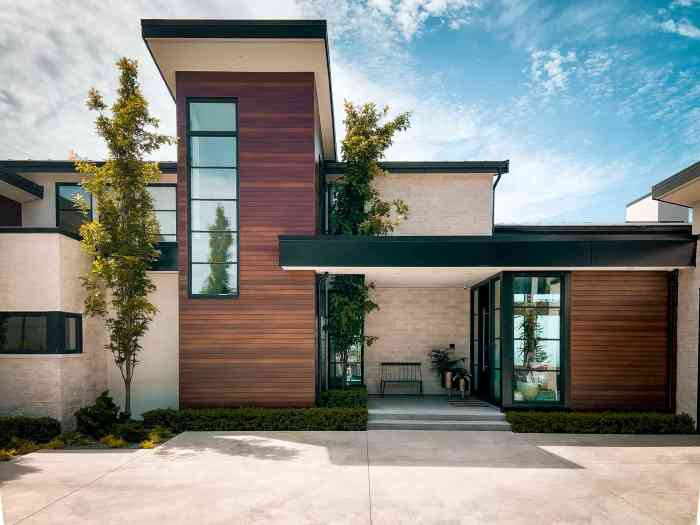
Modern house architecture incorporates a variety of elements that set it apart from traditional design styles. Key features include the use of materials like glass, steel, and concrete, as well as a focus on natural light, open floor plans, minimalism, and clean lines.
Materials Used in Modern House Architecture
- Glass: Glass is a prominent material in modern house architecture, allowing for natural light to flood the interior spaces and create a seamless connection between indoor and outdoor environments.
- Steel: Steel is often used for structural elements in modern designs, providing strength and durability while also adding a sleek, industrial aesthetic to the overall look of the house.
- Concrete: Concrete is another popular material in modern architecture, known for its versatility and ability to create bold, geometric forms that contribute to the minimalist aesthetic.
Importance of Natural Light and Open Floor Plans
Natural light is a crucial element in modern house architecture, as it not only enhances the visual appeal of the space but also has a positive impact on the health and well-being of the occupants. Open floor plans further emphasize the flow of natural light throughout the house, creating a sense of spaciousness and connectivity between different areas.
Emphasis on Minimalism and Clean Lines
- Minimalism: Modern house architecture often focuses on minimalism, with an emphasis on simplicity, functionality, and the use of clean, uncluttered spaces. This design approach helps to create a sense of calm and order within the home.
- Clean Lines: Clean lines are a defining characteristic of modern architecture, with sharp angles and straight edges used to create a sleek and contemporary look. These clean lines contribute to the overall aesthetic of modern house designs, adding a sense of sophistication and elegance.
Sustainable Practices in Modern House Architecture
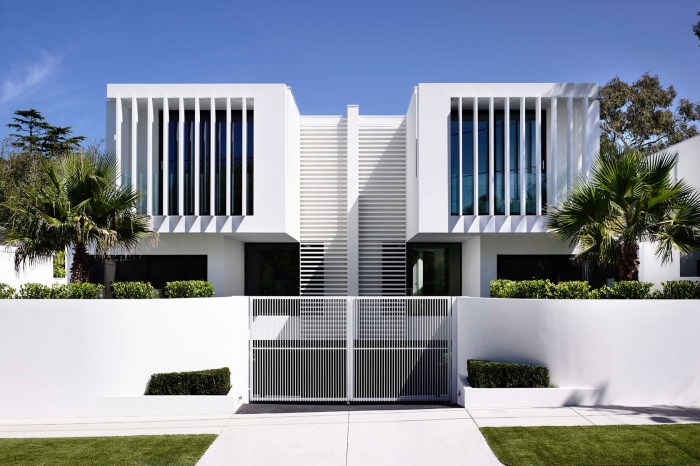
Modern house architecture has significantly embraced sustainability as a core principle in design, construction, and operation. The integration of sustainable practices not only reduces the environmental impact of buildings but also enhances the quality of life for occupants.
Use of Eco-Friendly Materials
Eco-friendly materials such as reclaimed wood, bamboo, recycled steel, and low VOC paints are commonly used in modern homes. These materials help reduce the carbon footprint of construction and promote a healthier indoor environment for residents.
Energy-Efficient Design
Modern homes are designed with energy efficiency in mind, incorporating features like high-performance insulation, energy-efficient windows, and LED lighting. These design elements help reduce energy consumption and lower utility costs for homeowners.
Innovations in Sustainability
- Green Roofs: Green roofs are becoming increasingly popular in modern house architecture. These roofs are covered with vegetation, providing natural insulation, reducing stormwater runoff, and improving air quality.
- Solar Panels: Solar panels are a common sight on modern homes, harnessing renewable energy from the sun to power the household. This not only reduces dependency on traditional energy sources but also lowers electricity bills.
- Passive Heating: Passive heating techniques such as orientation, natural ventilation, and thermal mass are integrated into modern house design to maximize natural light and heat gain, reducing the need for artificial heating systems.
Interior Design in Modern Houses
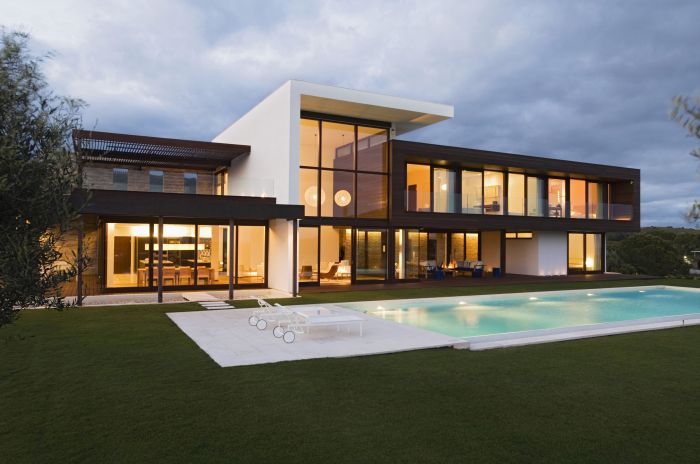
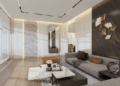
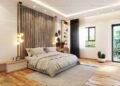
When it comes to modern house architecture, interior design plays a crucial role in enhancing the overall aesthetic appeal and functionality of the space. The interior design of a modern home is often characterized by clean lines, minimalistic approach, and a focus on open spaces.
Relationship between Modern House Architecture and Interior Design
The interior design of a modern house is intricately linked to its architectural style. Modern architecture typically emphasizes simplicity, functionality, and the use of innovative materials. As a result, the interior design of modern homes often reflects these principles through the choice of furniture, layout, and decor.
Furniture and Decor Complementing Modern Architectural Styles
- Minimalistic furniture: Modern homes often feature furniture with clean lines, simple shapes, and a lack of ornate details. This helps create a sense of openness and simplicity in the space.
- Neutral color palettes: Popular color choices for modern interiors include white, beige, grey, and black. These neutral tones help create a sense of calm and sophistication in the space.
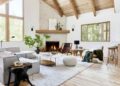
- Use of natural materials: Modern interior design often incorporates natural materials such as wood, stone, and metal to add warmth and texture to the space.
Popular Color Palettes, Textures, and Furniture Choices in Modern Homes
- Color palettes: Besides neutral tones, modern homes may also incorporate bold accent colors like navy blue, emerald green, or mustard yellow to add a pop of color and visual interest.
- Textures: Textures like smooth leather, plush velvet, and rough wood are commonly used in modern interiors to create a visually dynamic space.
- Furniture choices: In modern homes, furniture pieces with sleek profiles, geometric shapes, and a mix of materials like glass, steel, and leather are often preferred to complement the architectural style.
Concluding Remarks
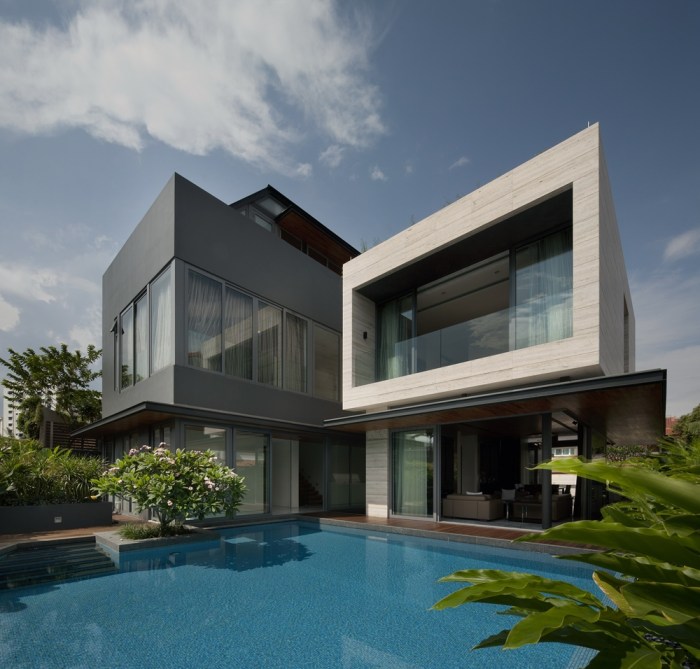
In conclusion, modern house architecture is a dynamic and ever-evolving field that prioritizes functionality, aesthetics, and sustainability. As we look to the future, the fusion of cutting-edge technology and timeless design principles will continue to redefine the way we experience and interact with our living spaces.
FAQ Overview
What defines modern house architecture?
Modern house architecture is characterized by clean lines, open spaces, and an emphasis on minimalism and functionality.
How is sustainability integrated into modern house architecture?
Sustainability in modern house architecture involves the use of eco-friendly materials, energy-efficient design practices, and innovative solutions like green roofs and solar panels.
What are some key elements in interior design that complement modern architectural styles?
Furniture and decor in modern homes often feature sleek designs, neutral color palettes, and a focus on simplicity to enhance the overall architectural aesthetic.