As packaging design takes center stage, this opening passage beckons readers into a world crafted with good knowledge, ensuring a reading experience that is both absorbing and distinctly original. In today's market, the design of packaging plays a crucial role in shaping brand identity and influencing consumer perception.
By delving into the nuances of packaging design, we uncover how innovative approaches can drive sales and captivate audiences.
Importance of Packaging Design
Packaging design plays a crucial role in establishing a brand's identity and creating differentiation in the market. It serves as the first point of contact between a product and the consumer, influencing their perception and purchase decisions.
Role in Brand Identity
Effective packaging design helps communicate the brand's values, personality, and positioning to consumers. It creates a visual representation of the brand that resonates with the target audience, ultimately building brand recognition and loyalty.
Influence on Consumer Perception
The packaging design directly impacts how consumers perceive the product's quality, value, and relevance to their needs. A well-designed package can evoke positive emotions, create a sense of trust, and entice consumers to make a purchase. On the other hand, poor packaging design can deter potential buyers and harm the brand's reputation.
Impact on Sales
Innovative and eye-catching packaging design can significantly boost sales by attracting attention, standing out on the shelves, and creating a memorable brand experience for consumers. Studies have shown that consumers are more likely to purchase a product if the packaging design appeals to them visually and emotionally.
Elements of Effective Packaging Design
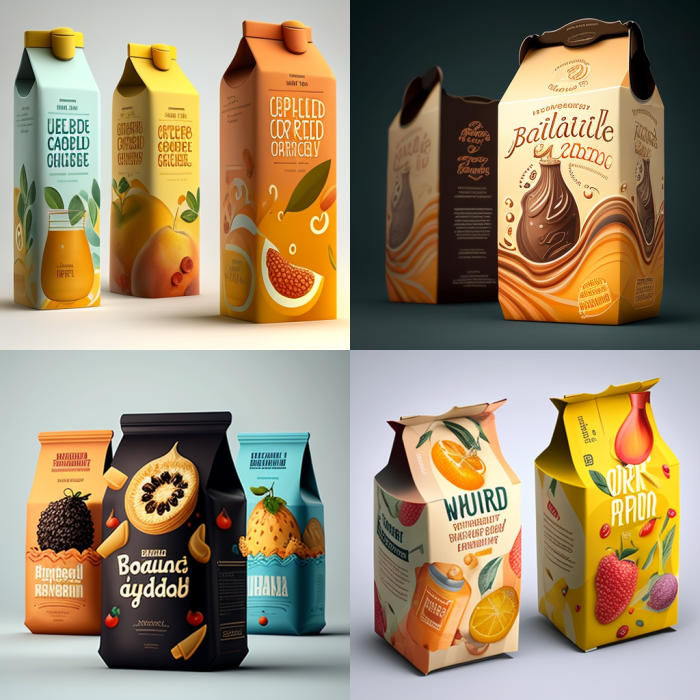
Effective packaging design plays a crucial role in capturing the attention of consumers and influencing their purchasing decisions. It involves a combination of key elements that work together harmoniously to create a memorable and impactful packaging solution. Let's delve into the essential elements that contribute to successful packaging design.
Key Elements of Successful Packaging Design
- Visual Aesthetics: The visual appeal of the packaging design is paramount in attracting consumers. Eye-catching graphics, illustrations, and imagery can help a product stand out on the shelves.
- Functionality: The packaging should not only look good but also be functional. It should protect the product, provide information to consumers, and be easy to use.
- Branding: Packaging design should reflect the brand identity and communicate the brand message effectively. Consistency in branding helps in building brand recognition.
- Typography: The choice of fonts and typography plays a significant role in conveying information and creating a visual hierarchy on the packaging. It should be legible and align with the overall design aesthetic.
- Color Schemes: Colors evoke emotions and can influence consumer perception. The use of appropriate color schemes can help in communicating the product's attributes and creating a strong brand association.
Comparison of Packaging Materials
- Glass: Glass packaging is known for its premium look and feel, offering excellent product visibility and recyclability.
- Plastic: Plastic packaging is lightweight, cost-effective, and versatile but raises concerns regarding environmental sustainability.
- Paperboard: Paperboard packaging is eco-friendly, customizable, and suitable for various products, but may lack durability compared to other materials.
- Metal: Metal packaging provides durability, protection, and a high-end appearance, commonly used for luxury products.
Significance of Typography and Color Schemes
Typography and color schemes are critical aspects of packaging design that influence consumer perception and brand communication. The right choice of typography can enhance readability, convey brand personality, and create a visual hierarchy. Similarly, color schemes evoke emotions, trigger brand associations, and differentiate products on the shelves.
By strategically using typography and color, packaging designers can create engaging and impactful designs that resonate with consumers.
Trends in Packaging Design
In today's rapidly evolving market, packaging design plays a crucial role in attracting consumers and conveying brand values. Let's explore some current trends in packaging design that are shaping the industry.
Eco-Friendly Packaging Design
Eco-friendly packaging design is gaining momentum as consumers become more environmentally conscious. Brands are opting for sustainable materials, minimalistic designs, and recyclable packaging to reduce their carbon footprint.
- Using biodegradable materials such as recycled paper, cardboard, or plant-based plastics.
- Emphasizing the use of minimal packaging to reduce waste and promote reusability.
- Implementing eco-friendly printing techniques like soy-based inks and water-based coatings.
Rise of Minimalist Packaging Design
Minimalist packaging design has become a popular choice across various industries due to its clean, sleek, and sophisticated aesthetic. Brands are embracing simplicity to stand out on shelves and convey a sense of luxury.
- Removing excess text and graphics to focus on essential brand elements.
- Utilizing a limited color palette and sleek typography for a modern look.
- Creating memorable unboxing experiences through minimalist packaging that enhances product presentation.
Interactive Packaging Design
Interactive packaging design involves engaging consumers through innovative and interactive elements that enhance the overall product experience. Brands are incorporating technology, unique shapes, and tactile features to create a memorable interaction with their packaging.
- Adding QR codes or augmented reality features for a digital component to the packaging.
- Utilizing tactile elements like embossing, debossing, or textured finishes for a sensory experience.
- Creating packaging that transforms into a functional item or encourages consumer participation.
Packaging Design Process
Creating a packaging design involves several key steps that take a concept from idea to final production. Each step is crucial in ensuring the end result meets the brand's objectives and resonates with the target audience.
Concept Development
The first step in the packaging design process is to brainstorm and develop the initial concept. This involves understanding the brand identity, product specifications, and the message that needs to be conveyed through the packaging.
Research and Planning
Once the concept is established, thorough research and planning are essential. This includes studying the target audience demographics, competitors' packaging, market trends, and material options.
Design Creation
With a clear understanding of the brand and target audience, the design creation phase begins. This involves sketching ideas, creating digital mock-ups, and refining the design based on feedback.
Prototyping and Testing
After finalizing the design, prototypes are created for testing purposes. This step allows for adjustments to be made before moving forward to full production.
Production and Printing
Once the design is approved, the packaging goes into production. This includes selecting materials, printing, and ensuring the final product meets quality standards.
Distribution and Feedback
The final step involves distributing the packaging to retailers or directly to consumers. Collecting feedback is crucial for future iterations and improvements to the packaging design.
Importance of Target Audience Demographics
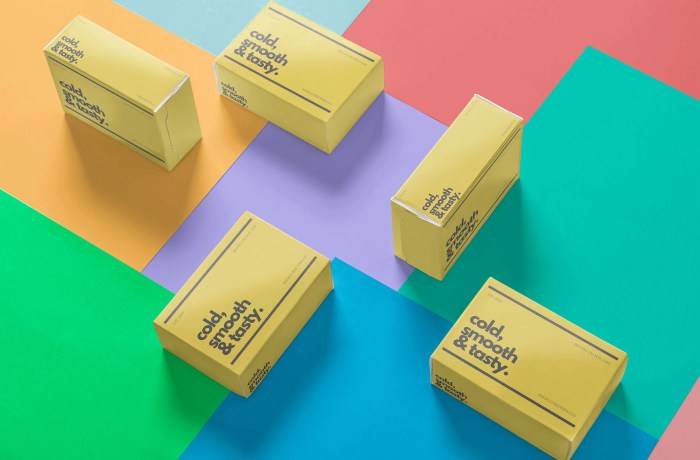
Understanding the target audience demographics is vital in packaging design as it helps tailor the design to appeal to the specific preferences, needs, and behaviors of the consumers. By considering factors such as age, gender, income level, and lifestyle, designers can create packaging that resonates with the intended audience, ultimately leading to increased brand loyalty and sales.
Tips for Brand Messaging through Packaging Design
Ensure brand consistency
Use colors, fonts, and imagery that align with the overall brand identity.
Highlight key features
Clearly communicate the product's unique selling points through the packaging design.
Create an emotional connection
Use storytelling elements to evoke emotions and create a memorable brand experience.
Consider shelf impact
Design packaging that stands out on the shelves and attracts consumers' attention.
Incorporate interactive elements
Add QR codes, augmented reality, or other interactive features to engage consumers and enhance brand messaging.
Final Thoughts
In conclusion, packaging design is a dynamic field that merges creativity with strategy to create memorable brand experiences. From eco-friendly trends to minimalist designs, the evolution of packaging offers endless possibilities for brands to connect with consumers in meaningful ways.
By understanding the elements that make packaging design effective and the process involved in bringing concepts to life, businesses can truly make their mark in a competitive market landscape.
FAQ Insights
How does packaging design impact brand identity?
Packaging design plays a crucial role in establishing brand identity by visually representing the brand's values and personality to consumers.
What are the key elements of successful packaging design?
Successful packaging design often includes elements such as clear messaging, attractive visuals, and practicality for the consumer.
Why is it important to consider target audience demographics in packaging design?
Understanding the target audience demographics helps in tailoring packaging design elements to resonate with the specific preferences and needs of consumers.
What are some current trends in eco-friendly packaging design?
Current trends include using sustainable materials, reducing waste, and focusing on recyclability in packaging design.
How can packaging design effectively communicate brand messaging?
By using typography, color schemes, and visual elements strategically, packaging design can convey brand messaging clearly and memorably to consumers.