Delving into the realm of room colour design, one uncovers a world where hues and shades play a crucial role in shaping the ambiance and character of a space. From the psychological effects of different colors to the art of selecting the right palette, this topic offers a fascinating journey into the realm of design.
As we navigate through the nuances of room colour design, we discover how color choices can evoke emotions, set moods, and even influence behavior within a room.
Importance of Room Color Design
Room color design plays a crucial role in shaping the overall feel and ambiance of a space. The colors we choose can have a significant impact on our mood, behavior, and even productivity.
Psychological Effects of Different Room Colors
- Blue: Known for its calming and soothing effects, blue is often used in bedrooms and living rooms to promote relaxation and reduce stress.
- Yellow: This vibrant color is associated with happiness and energy. It can be a great choice for kitchens or dining areas to create a lively atmosphere.
- Green: Symbolizing nature and tranquility, green is ideal for promoting a sense of harmony in spaces like home offices or study areas.
- Red: A bold and stimulating color, red can increase energy levels and create a sense of excitement. It is often used in dining rooms to stimulate appetite.
- Neutral Colors: Shades like white, beige, and gray provide a sense of balance and versatility, making them suitable for any room in the house.
Examples of Color Influence on Mood and Behavior
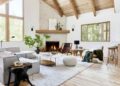
- Warm Tones: Colors like red, orange, and yellow are considered warm tones and can create a cozy and inviting atmosphere in spaces like living rooms or family rooms.
- Cool Tones: Shades of blue, green, and purple are cool tones that evoke a sense of calmness and serenity, making them perfect for bedrooms or meditation rooms.
- Accent Colors: Adding pops of bright or bold colors as accents can inject personality and create focal points in a room, enhancing its overall aesthetic appeal.
Choosing the Right Colors
When it comes to selecting colors for a room, it is important to choose ones that complement each other to create a cohesive and harmonious look. The right color scheme can enhance the overall atmosphere of the space and make it more inviting and visually appealing.
Significance of Natural Light
Natural light plays a crucial role in how colors appear in a room. It is essential to consider the amount of natural light the room receives when choosing colors. Rooms with ample natural light can handle darker and bolder colors, while rooms with limited natural light may benefit from lighter shades to create a brighter and more spacious feel.
Using Color Swatches or Mood Boards
Color swatches and mood boards are great tools to help visualize how different colors will look together in a room. By comparing and combining various swatches or creating a mood board with paint chips, fabric samples, and inspiration images, you can see how the colors interact and make more informed decisions about your color scheme.
This method allows you to experiment with different combinations before committing to a final color palette.
Trends in Room Color Design
When it comes to room color design, staying up-to-date with current trends can help you create a modern and stylish space. Trends in room color design often vary based on the type of room and the season, influencing how we choose colors for our homes.
Popular Color Schemes for Different Room Types
Different rooms in a house serve different purposes, and the color schemes should reflect that. Here are some popular color schemes for different room types:
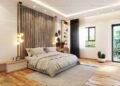
- Bedrooms: Soft and calming colors like pastel blues, greens, and lavender are commonly used in bedrooms to create a relaxing atmosphere.
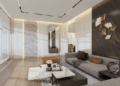
- Living Rooms: Neutral colors like beige, gray, and white are popular choices for living rooms as they provide a versatile backdrop for furniture and decor.
- Kitchens: Bright and inviting colors like yellow, light blue, or mint green can add a cheerful touch to kitchen spaces.
- Bathrooms: Clean and crisp colors like white, light gray, and aqua are often used in bathrooms to create a fresh and spa-like ambiance.
Influence of Seasonal Trends on Room Color Design
Seasonal trends play a significant role in room color design, with certain colors being more popular during specific times of the year. For example, warm and cozy colors like deep reds and oranges are favored in the fall, while bright and airy colors like pastels are popular in the spring and summer.
Incorporating Trendy Colors Without Overwhelming a Space
To incorporate trendy colors into a space without overwhelming it, consider using them as accents rather than dominant colors. You can add trendy colors through accessories like throw pillows, rugs, artwork, or small furniture pieces. This allows you to easily update your space as trends evolve without committing to a complete room makeover.
Color Application Techniques
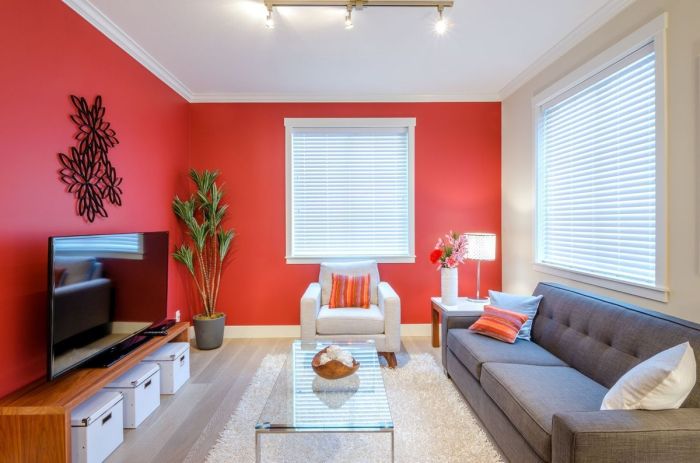
When it comes to applying color in a room, there are several techniques that can enhance the overall look and feel of the space. Different paint finishes, accent walls, and color transitions all play a crucial role in creating a cohesive and visually appealing design.
Impact of Different Paint Finishes
Choosing the right paint finish can significantly impact the way colors appear in a room. Matte finishes can create a soft and subtle look, while gloss finishes can add a touch of sophistication and light reflection. Satin finishes offer a good balance between the two, providing a smooth finish with a hint of shine.
Accent Wall Strategies
- Consider using a bold or contrasting color on one wall to create a focal point in the room.
- Opt for a textured paint or wallpaper to add depth and interest to the accent wall.
- Ensure that the accent wall complements the overall color scheme of the room for a cohesive look.
Creating Visual Flow with Color Transitions
Transitioning colors from room to room can help create a sense of continuity and flow throughout the space. Here are some tips to achieve smooth color transitions:
- Choose a common color element that ties all the rooms together, such as a specific shade or undertone.
- Gradually transition from one color to another by using varying shades or tones of the same color family.
- Consider the lighting in each room and how it may affect the way colors appear, ensuring a harmonious transition.
Ending Remarks
In conclusion, room colour design is a powerful tool that can transform any space into a harmonious and visually captivating environment. By understanding the impact of colors, selecting the right palette, and staying abreast of trends, one can truly create a personalized sanctuary that reflects their unique style and personality.
FAQ Compilation
How does room color design affect mood?
Room color design can significantly impact mood by creating an atmosphere that ranges from cozy and intimate to energizing and vibrant.
What are some tips for selecting complementary colors?
When choosing colors, consider using the color wheel to find complementary shades that enhance each other and create a balanced look.
How can I incorporate trendy colors without overwhelming my space?
To incorporate trendy colors subtly, consider using them as accents through accessories or small furniture pieces rather than painting entire walls.